Sparking, smoke or burning smell at night in Trivandrum: what do I do first?
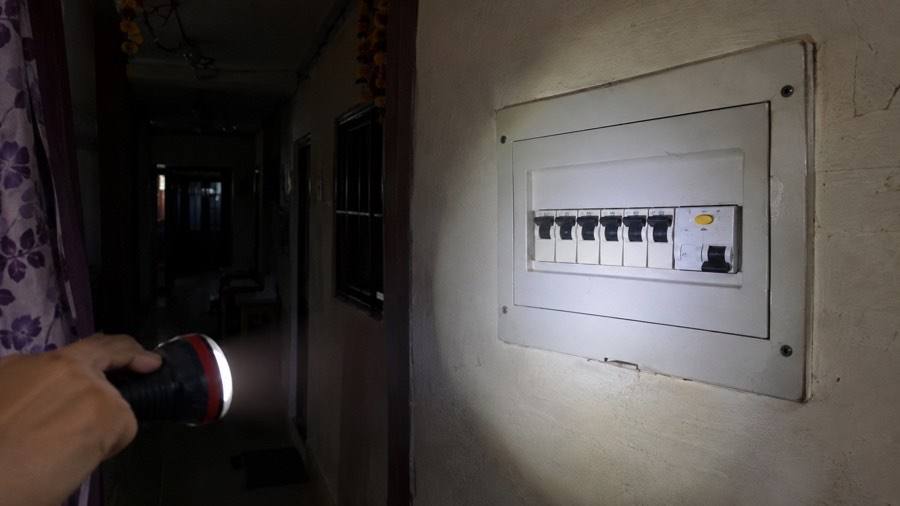
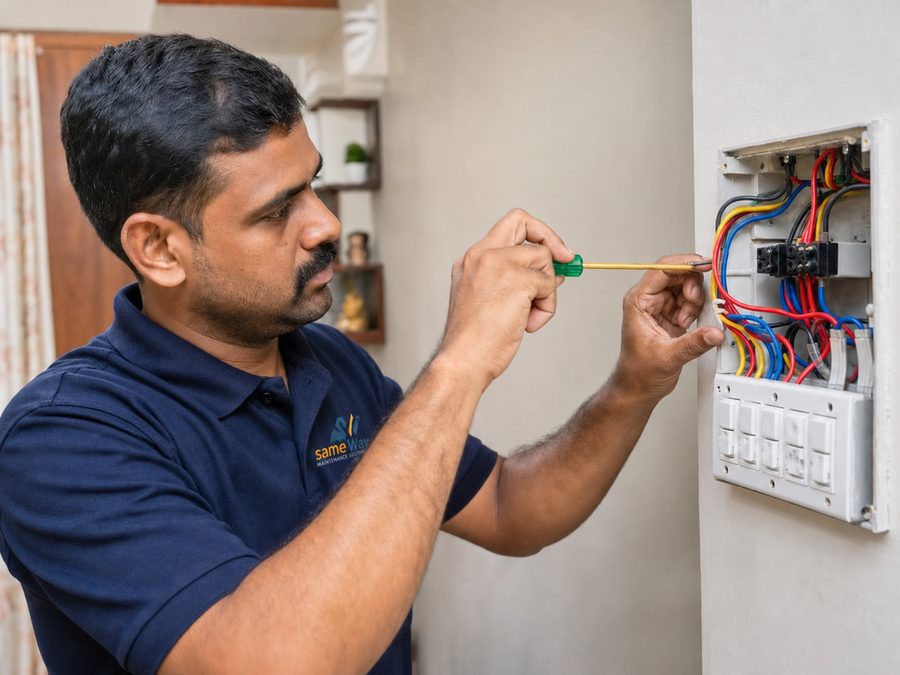
Switch off the main if you can reach it safely and keep everyone away. If the street is dark too, call KSEB. If only your house is out, call an electrician.
Read guideMCB trips, RCCB problems, sparking sockets, burning smells, fans, geysers, inverters and safe first checks before an electrician arrives. Written by the Sameway team from the calls we get every week.
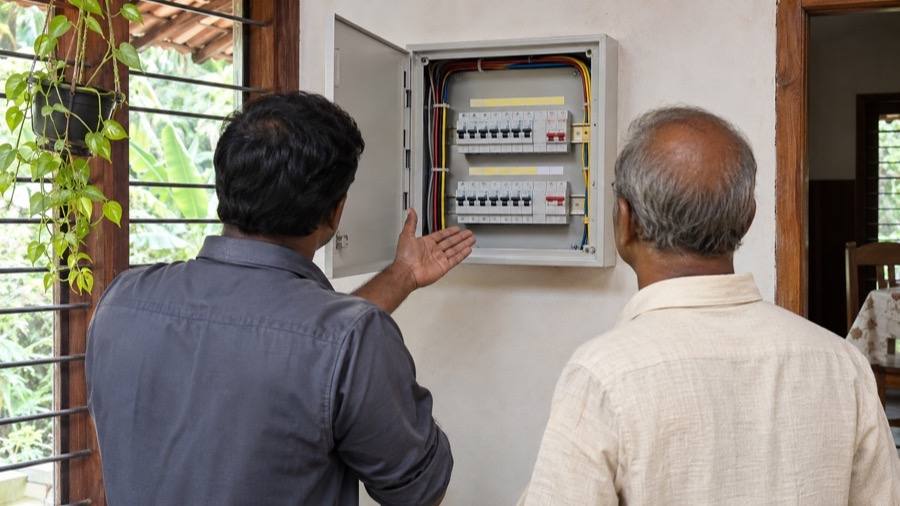
Switch off the main if you can reach it safely and keep everyone away. If the street is dark too, call KSEB. If only your house is out, call an electrician.
Read guideCheck the wall type, avoid hidden pipes and wires, use anchors suited to the wall, and place a socket behind the TV so cables can be hidden in a conduit.
Read guideAsk what they will check, get a fixed quote before work starts, and see that they test before and after. Walk away if anyone offers to bypass the RCCB.
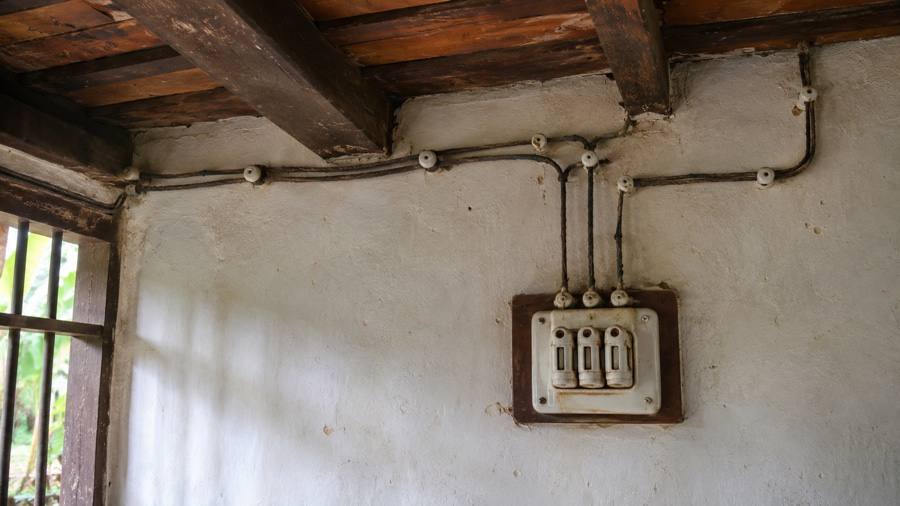
Read guideWarm switches, frequent trips, no earth wire, rubber or aluminium wire, or wiring over 20 to 30 years old are the usual signs. A test shows what to redo.
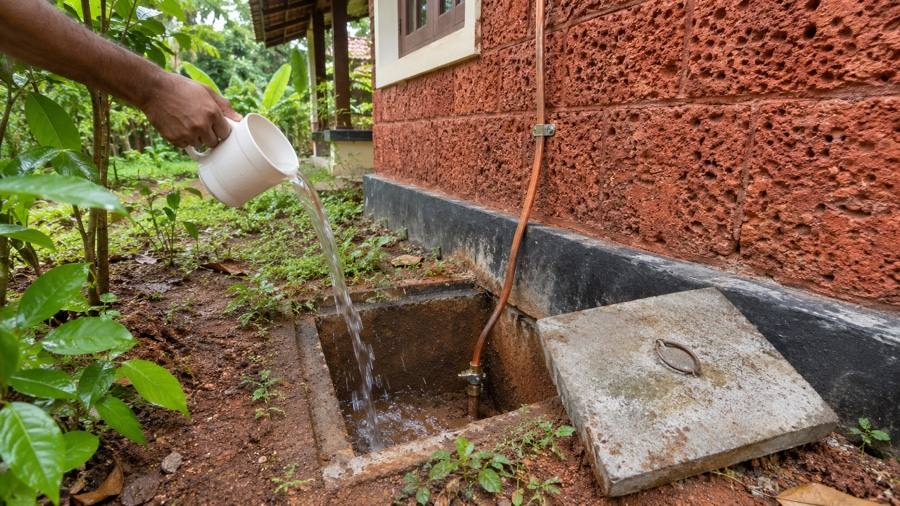
Read guideTingles from appliances, an RCCB that acts oddly, rusted earth clamps and a dry, neglected earth pit are the usual signs. An earth test confirms it.
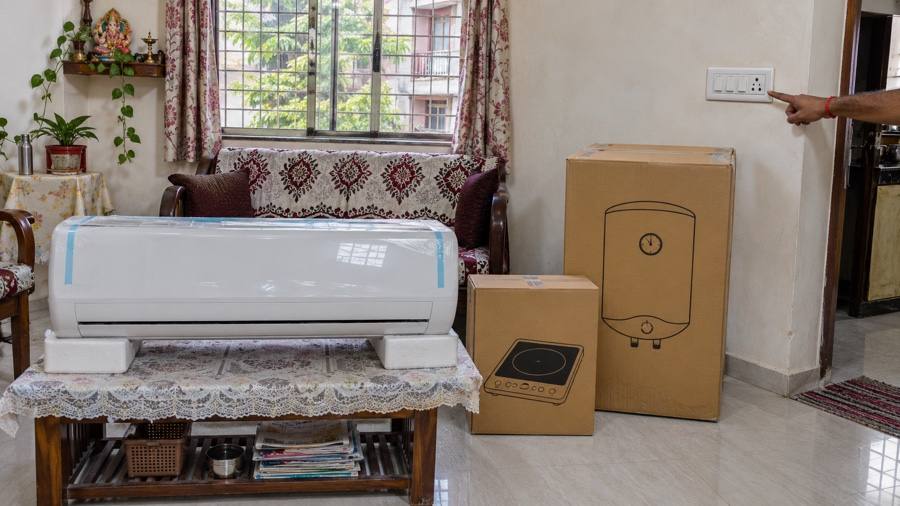
Read guideEvery new AC, geyser or induction cooker adds to your connected load. Check the board, main cable and earthing, and confirm load rules with your KSEB office.
Read guideA short dip when a motor or AC starts is common. If lights stay dim or flicker every time, check for low voltage, a loose neutral or overloaded wiring.
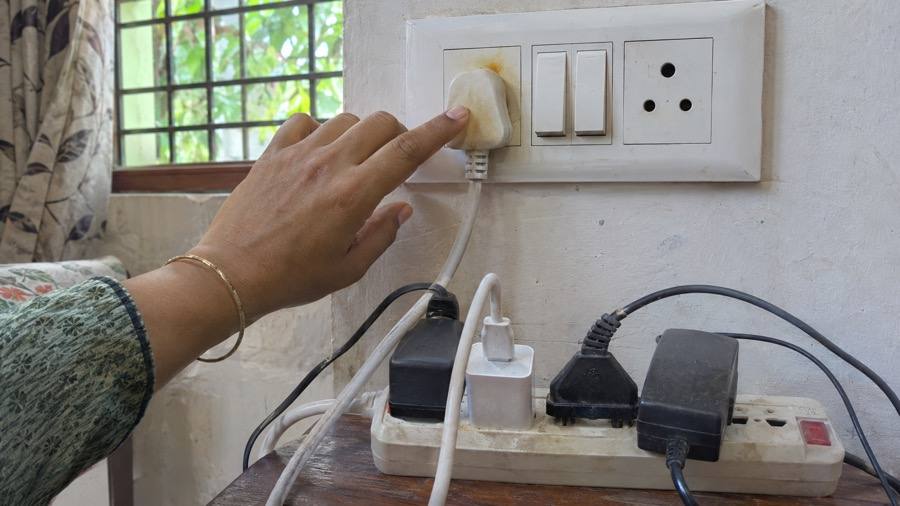
Read guideWarmth usually means a loose contact, a worn socket, thin wire or too much load on one point. Stop using that socket and get it checked before it burns.
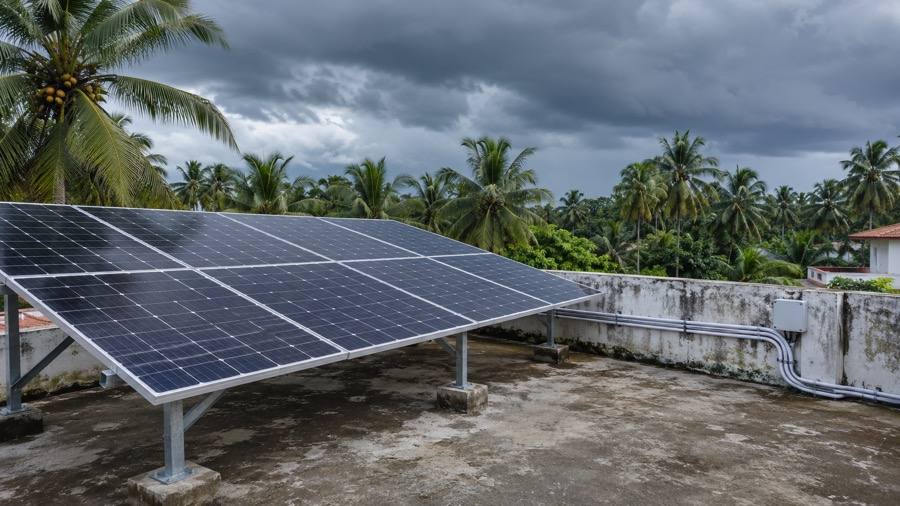
Read guideSee that solar cables are clipped and in conduit, earthing is intact and the inverter area stays dry. Panel and inverter faults go to your solar vendor.
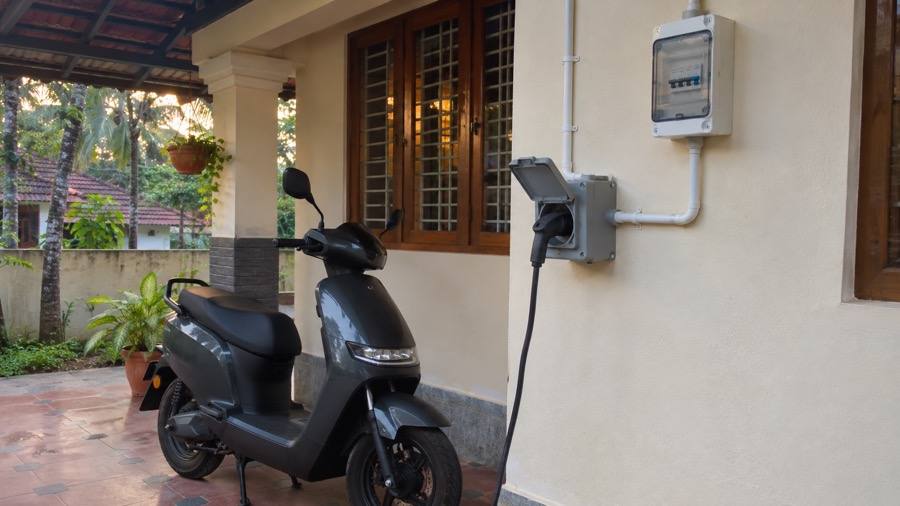
Read guideA home EV charger needs its own circuit from the board, the right wire size, a suitable MCB and RCD, good earthing and a sheltered spot in the car porch.
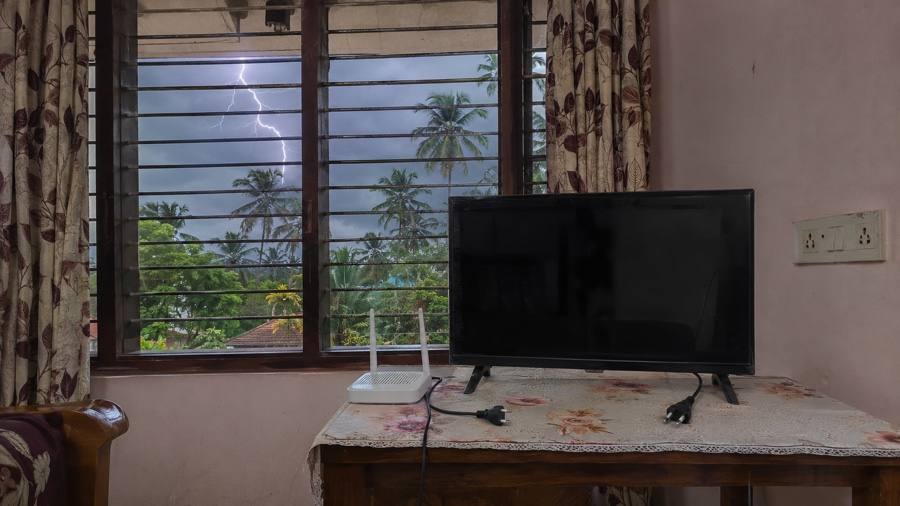
Read guideUnplug TVs, routers and computers when a storm comes close, get the earthing tested, and ask about a surge protection device at the main board.
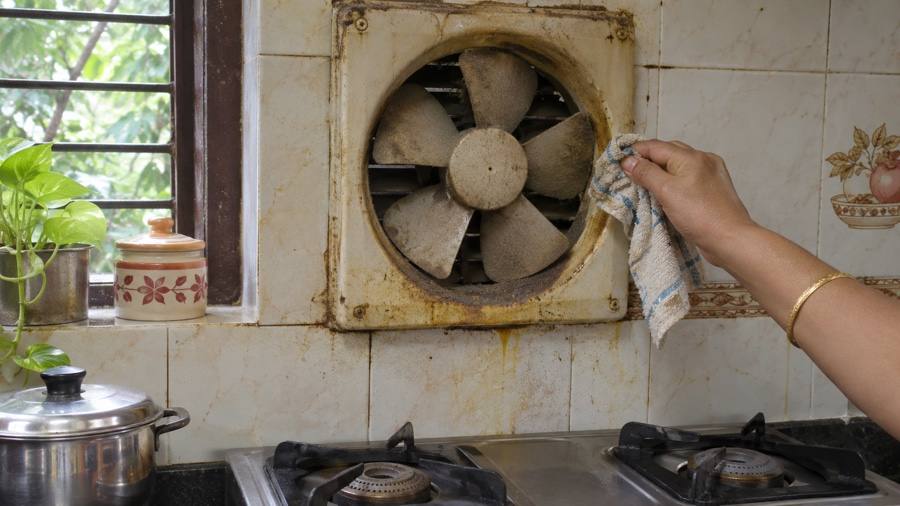
Read guideGrease, dust, dry bearings, a weak capacitor or a damp connection are the usual causes. Clean it with power off. Replace it if the motor hums or noise stays.
Read guideAn RCCB that trips at night is often reacting to dampness, an outdoor light, a water heater or a fridge with leakage. It is doing its job. Find the circuit, do not bypass it.
Read guideA tingle from a tap, metal door, washing machine or wet wall means current is leaking somewhere. Treat it as urgent and get the earthing and wiring tested.
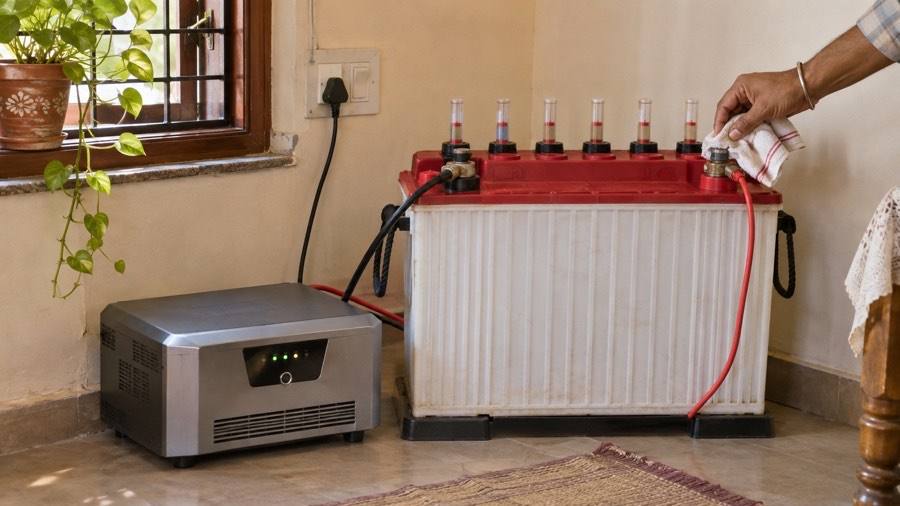
Read guideShorter inverter backup usually comes from an ageing battery, low water level in tubular batteries, extra load added to inverter points, or loose terminals.
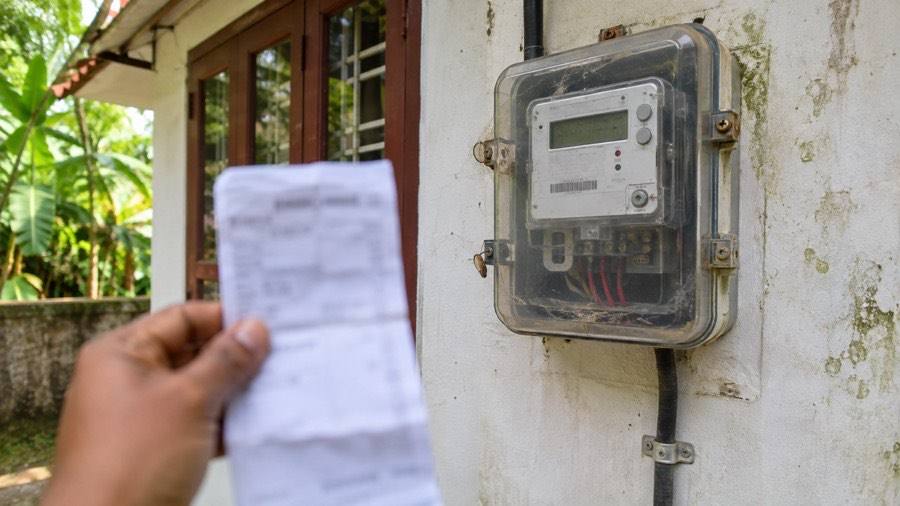
Read guideA jump in the bill can come from seasonal use, an appliance running non-stop, a pump or geyser fault, earth leakage, or a tariff slab change. Check usage before suspecting the meter.
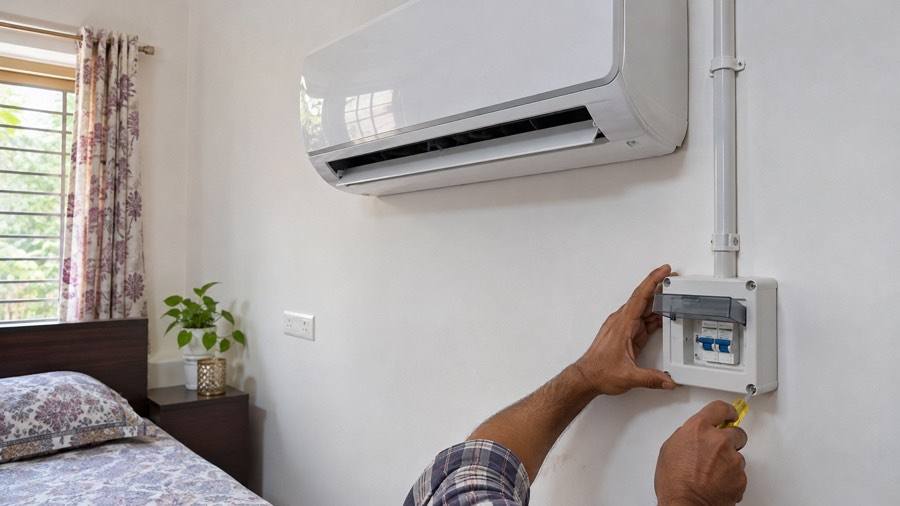
Read guideAn AC should have its own correctly sized wire, its own MCB and good earthing. Plugging it into an old socket circuit is a common cause of tripping and burnt sockets.
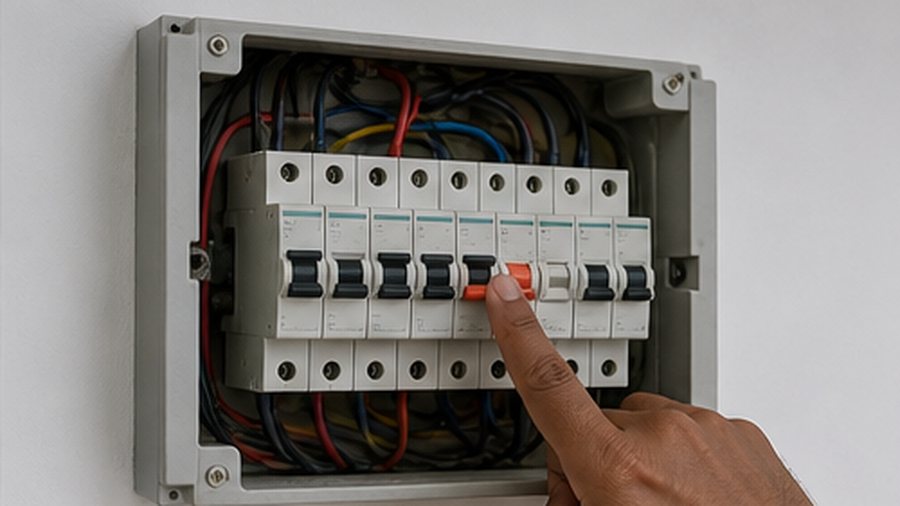
Read guideIf the MCB or fuse board switch keeps falling, do not force it. It usually means overload, leakage, a short circuit or a faulty appliance.
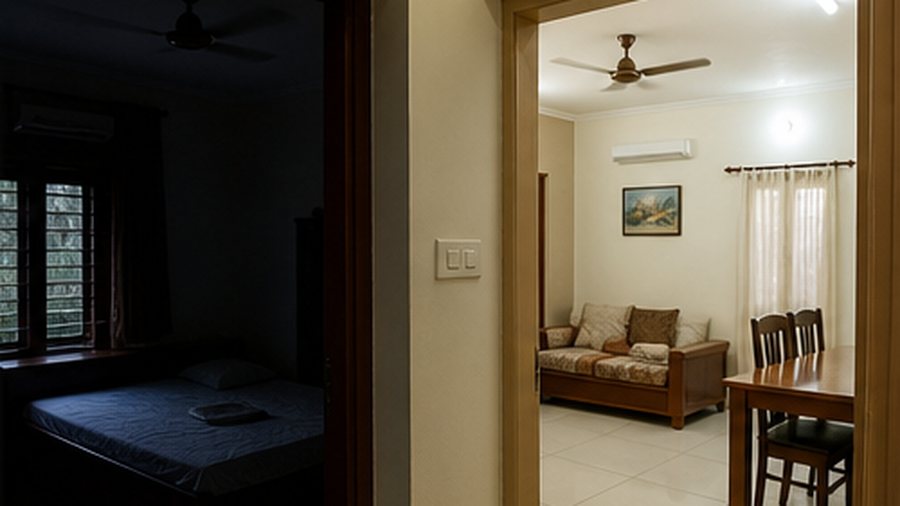
Read guideA single-room power cut often points to a tripped circuit, loose connection, damaged switchboard, faulty socket or wiring issue.
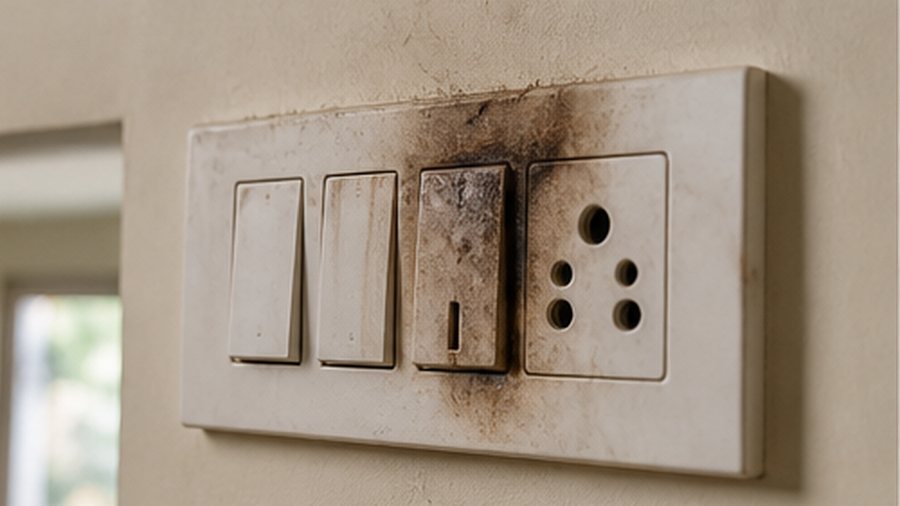
Read guideA burnt smell from a switchboard is a warning sign. Turn off the circuit and get it inspected before using it again.
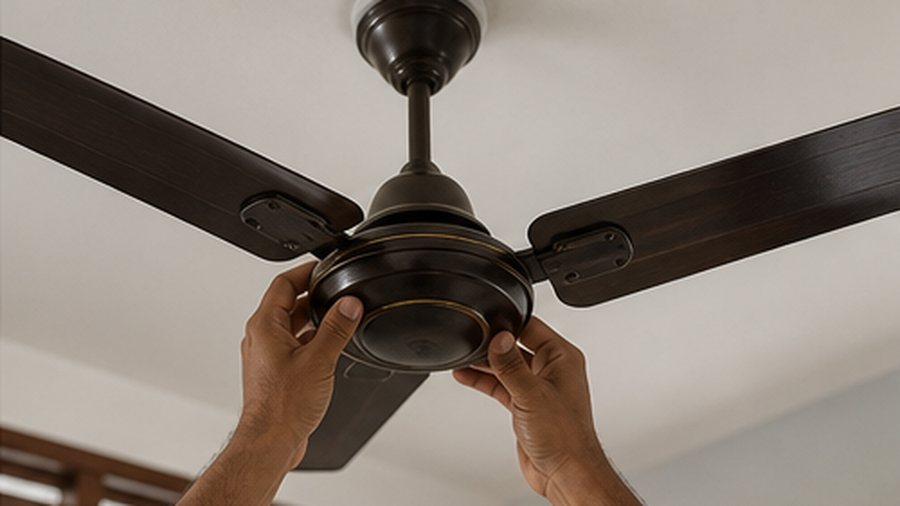
Read guideA slow ceiling fan can be caused by a weak capacitor, old regulator, dust, low voltage or motor wear.
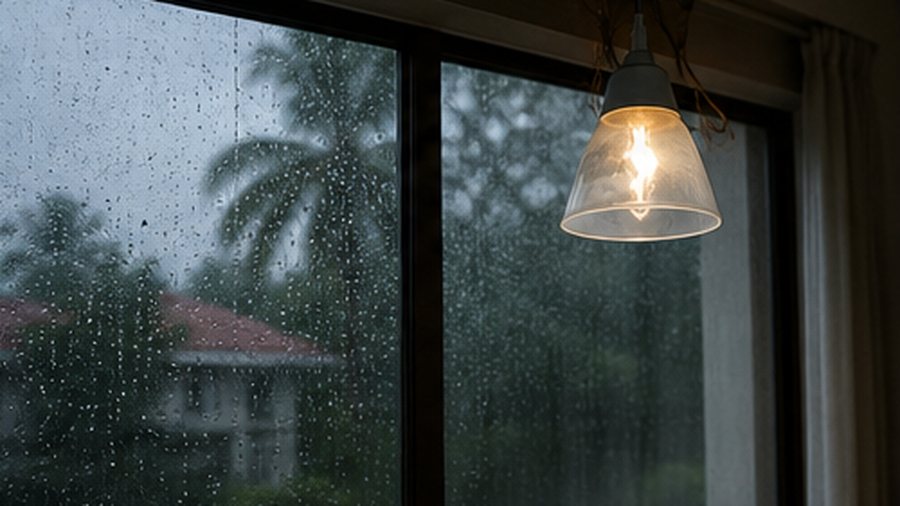
Read guideRain-time flickering may mean moisture entry, loose neutral, voltage fluctuation or damaged outdoor wiring.
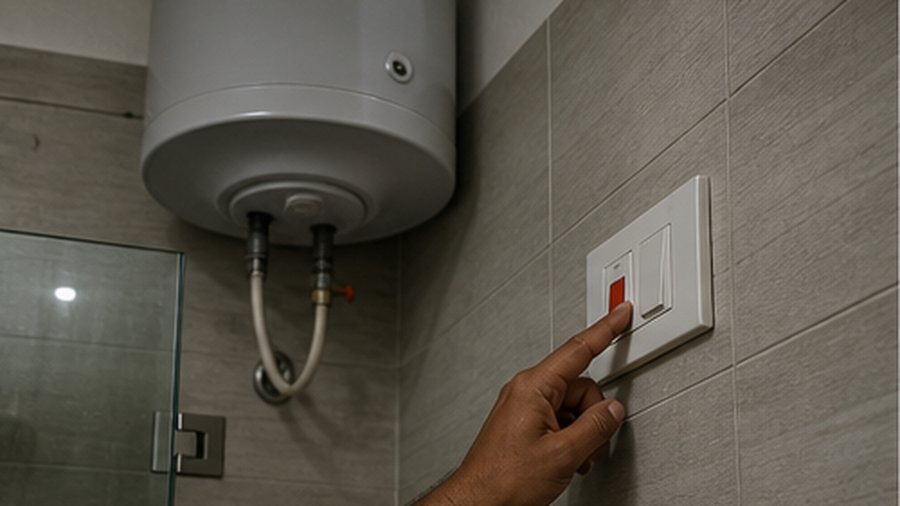
Read guideA geyser that trips the MCB may have element leakage, earthing fault, wet wiring or overload. It needs careful testing.
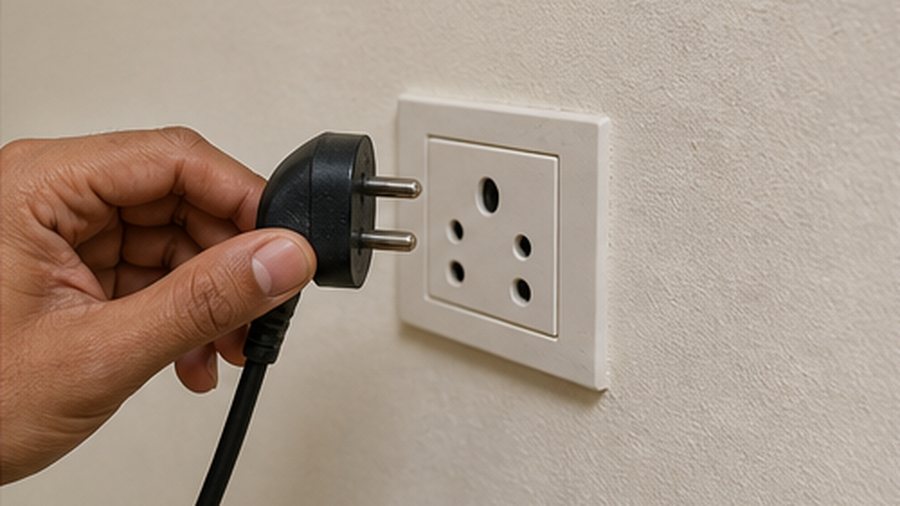
Read guideA tiny spark can happen with some loads, but repeated sparks, sound, heat or black marks mean the socket needs inspection.
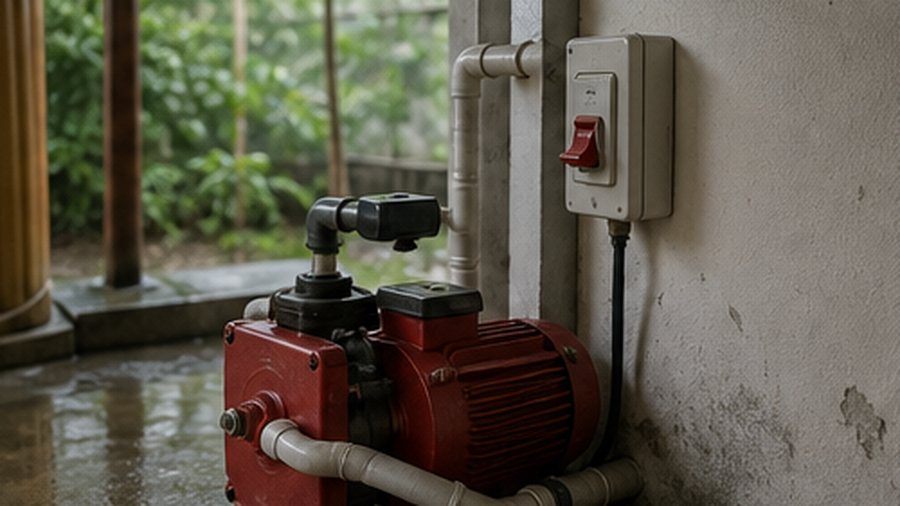
Read guideA pump may fail to start because of tripped protection, capacitor failure, dry run, switch fault or wiring issue.
Read guideShare a photo, your area in Trivandrum and what you tried. We will guide the next step or quote the repair.
Ask Sameway