What should I check at home during Thulavarsham in Trivandrum?
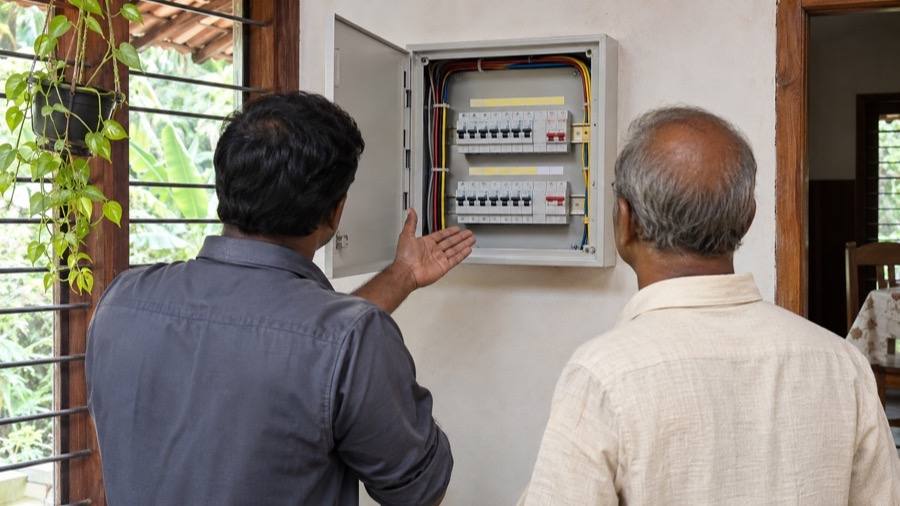
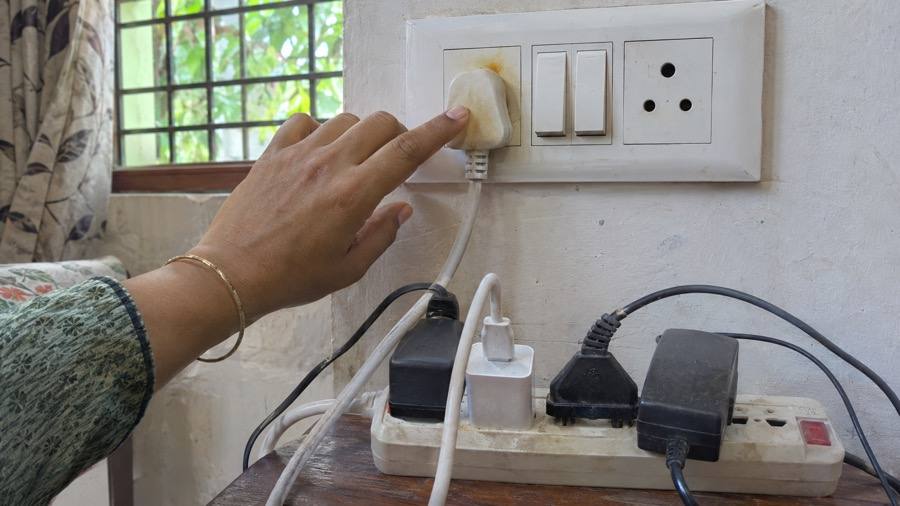
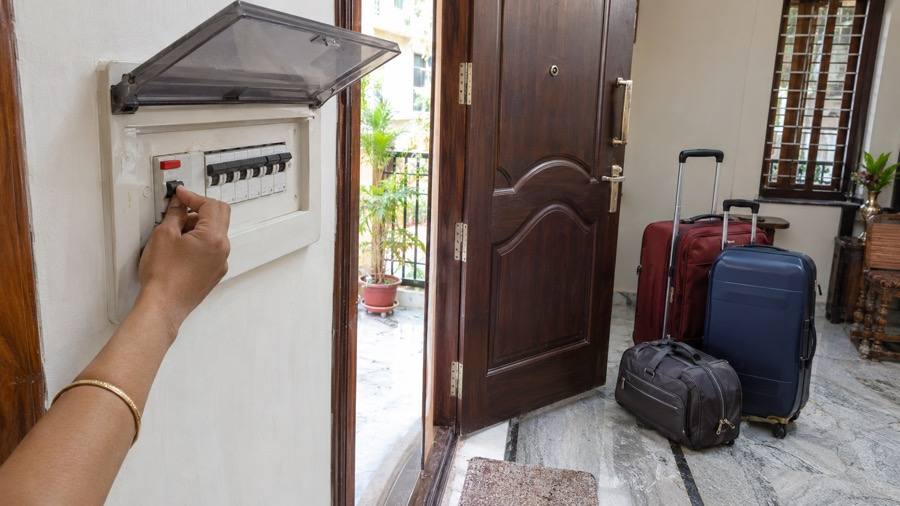
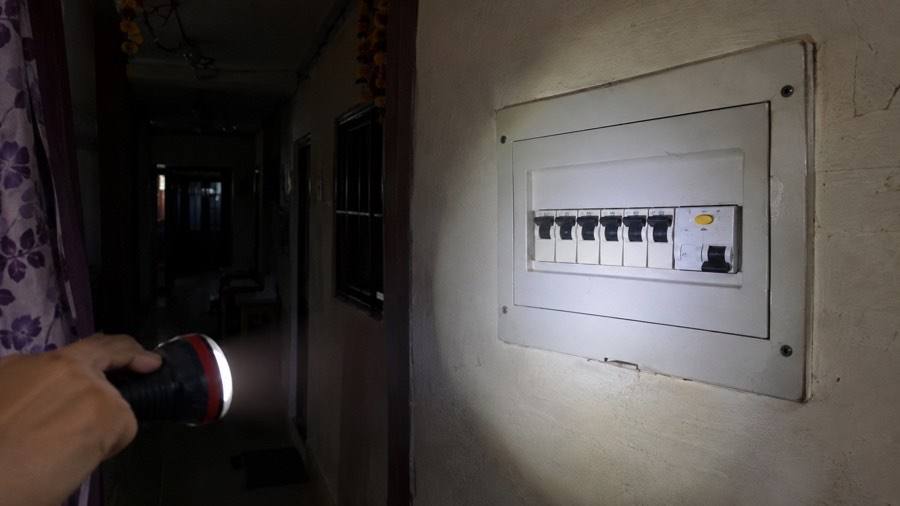
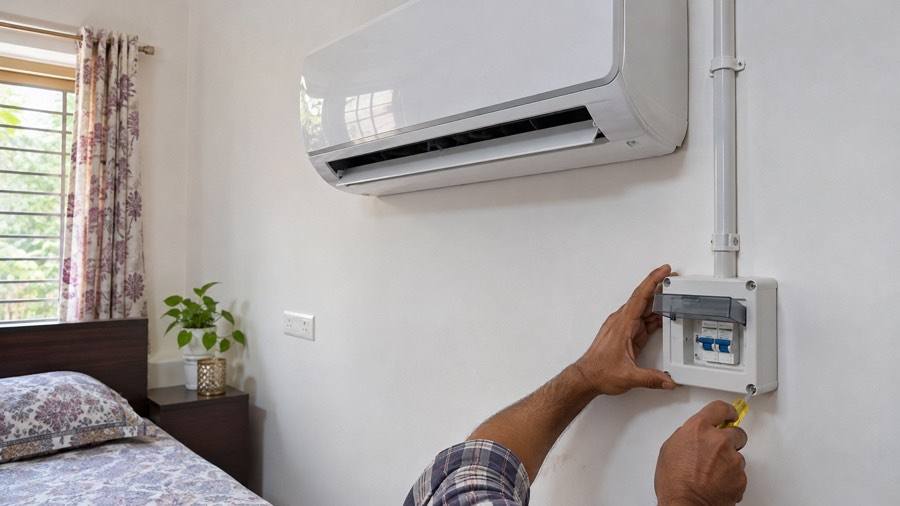
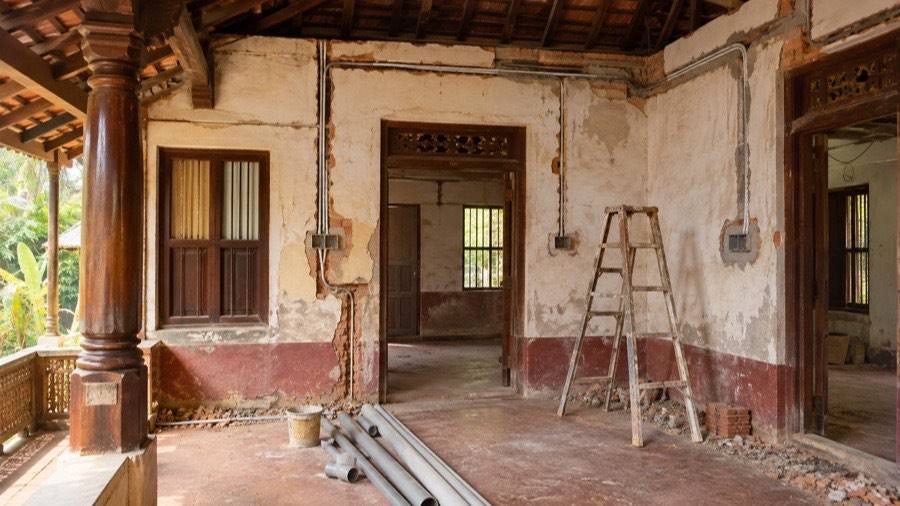
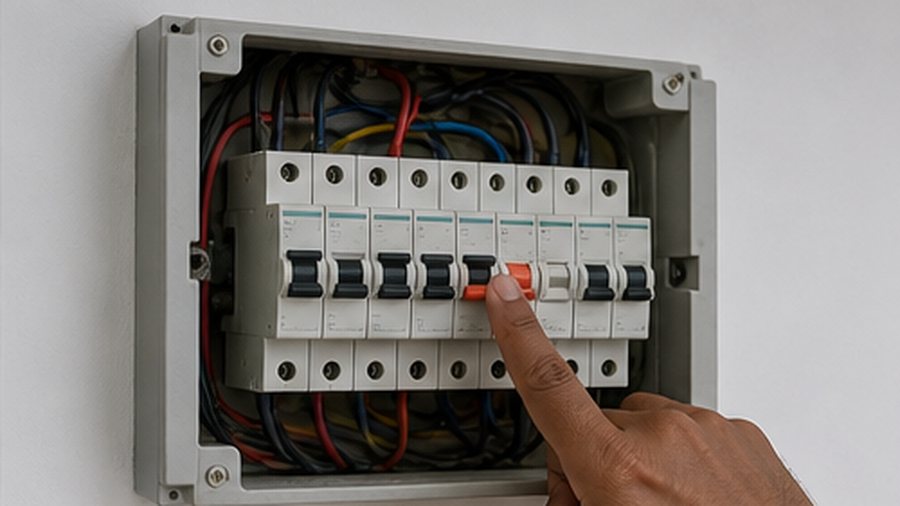
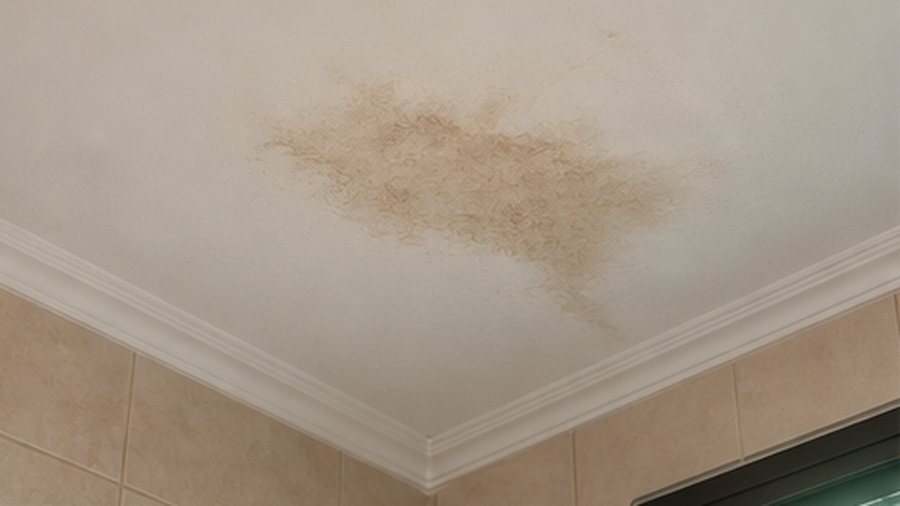
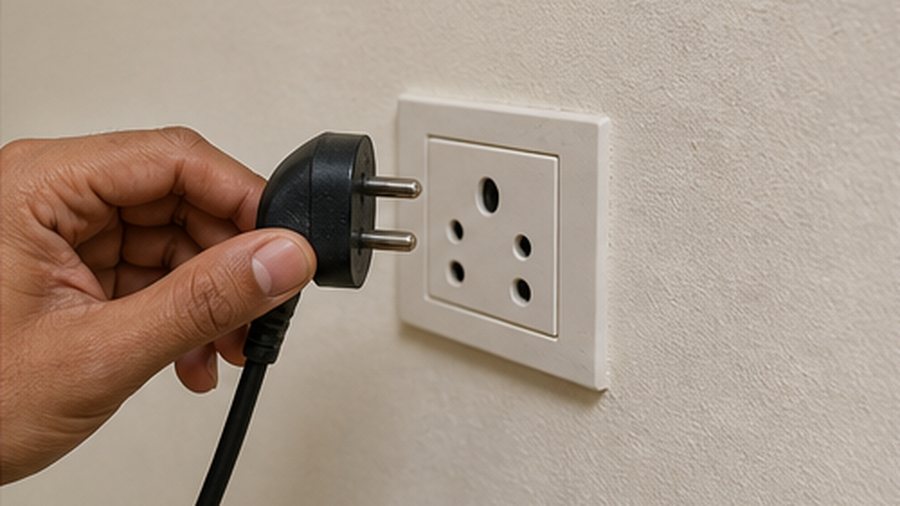
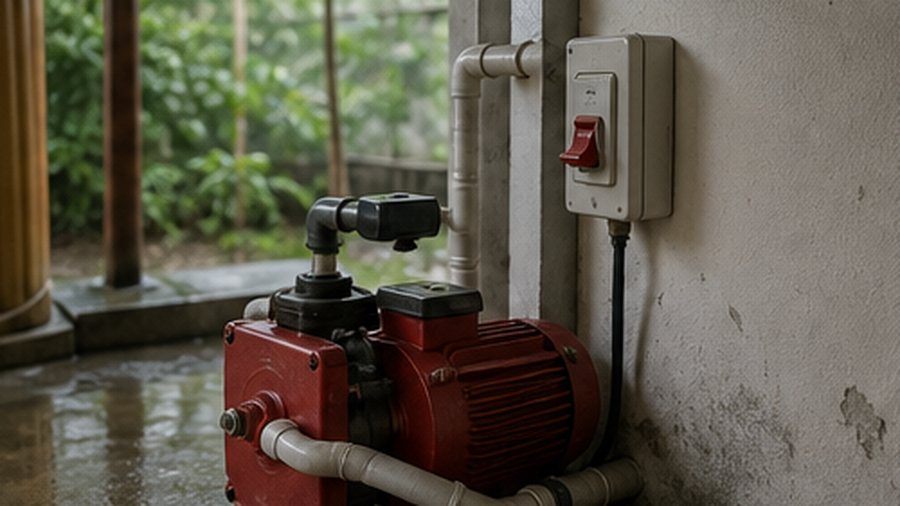
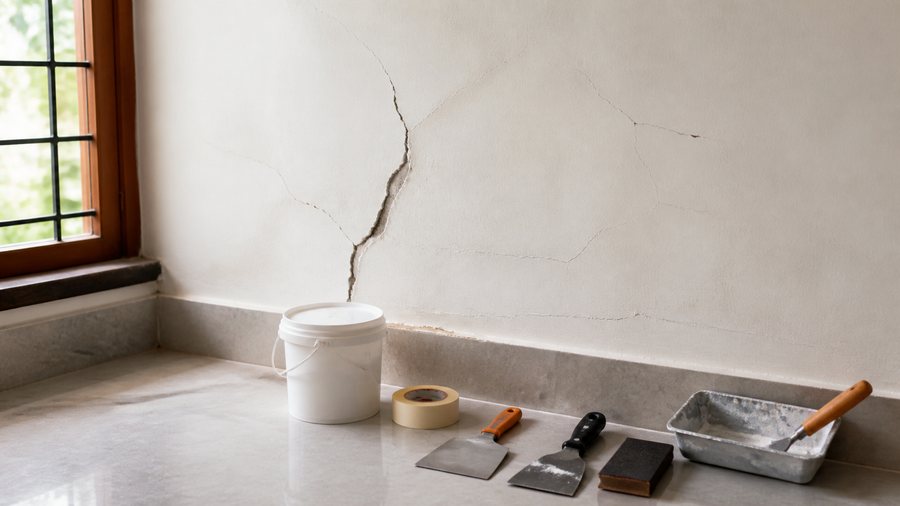
Clear terrace drains, unplug electronics before evening storms, test the RCCB and watch for damp near switches. Call an electrician for any wet board.
Read guideShort, practical answers to the maintenance questions people search before calling a technician. Try the safe checks, skip the risky work, and call Sameway when it needs a professional.

These guides are for safe first checks, not risky repair work. If there is shock, sparks, burning smell, active leakage near wiring, gas smell, structural cracking or uncertainty, stop and call a qualified technician. Sameway can inspect and fix it properly across Trivandrum.
Clear terrace drains, unplug electronics before evening storms, test the RCCB and watch for damp near switches. Call an electrician for any wet board.
Read guideFix bathrooms, the geyser, lights, fans and sticking doors first, clean the water tank, do small paint touch-ups, and book anything big by early December.
Read guideFix problems early, batch small jobs into one visit, send clear photos, get a fixed quote first and buy decent materials. Cheap wire costs more later.
Read guideFor one simple job, a good local tradesman is fine. For jobs across trades, or a long list of small repairs, one company is easier to manage.
Read guideHollow or lifting tiles usually come from poor bedding, no gap at the walls, heat movement or damp below. The loose area needs taking up and relaying.
Read guideIf tiles are firm, regrout with cement grout and sealer, or use epoxy grout. If tiles are loose or water reaches other rooms, retile with waterproofing.
Read guideYes. One cracked tile can be cut out and replaced on its own. The hard part is matching the shade, so use spare tiles from the original box if you have them.
Read guideSwitch off the main if you can reach it safely and keep everyone away. If the street is dark too, call KSEB. If only your house is out, call an electrician.
Read guideClose the main valve or the overhead tank outlet, switch off the pump, and cut power to any wet electrical points. Then collect water and call a plumber.
Read guideMost sheet roof leaks come from worn screw washers, short overlaps, loose ridge caps or blocked gutters. Replace the screws, seal the laps, treat rust early.
Read guideCheck the wall type, avoid hidden pipes and wires, use anchors suited to the wall, and place a socket behind the TV so cables can be hidden in a conduit.
Read guideAgree the drawing, exact measurements, board grade and brand, hardware, finish and what is included before work starts. Ask for it in writing.
Read guideFix plumbing and electrical points for the chimney, oven and appliances before tiles and cabinets. Plan slab cuts and drain slopes early.
Read guideList common assets, inspect them on a schedule, get written quotes for each job, and keep a simple record of work done, bills and photos.
Read guideAsk what they will check, get a fixed quote before work starts, and see that they test before and after. Walk away if anyone offers to bypass the RCCB.
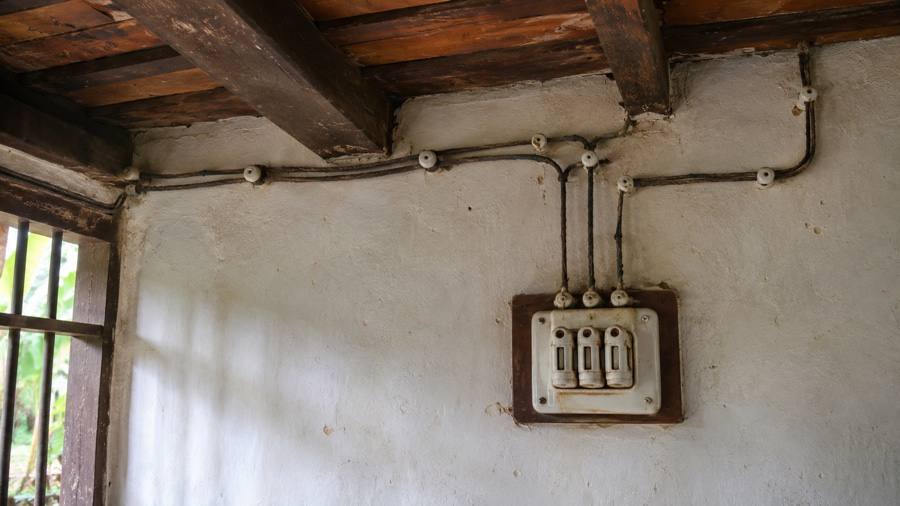
Read guideWarm switches, frequent trips, no earth wire, rubber or aluminium wire, or wiring over 20 to 30 years old are the usual signs. A test shows what to redo.
Read guideTingles from appliances, an RCCB that acts oddly, rusted earth clamps and a dry, neglected earth pit are the usual signs. An earth test confirms it.
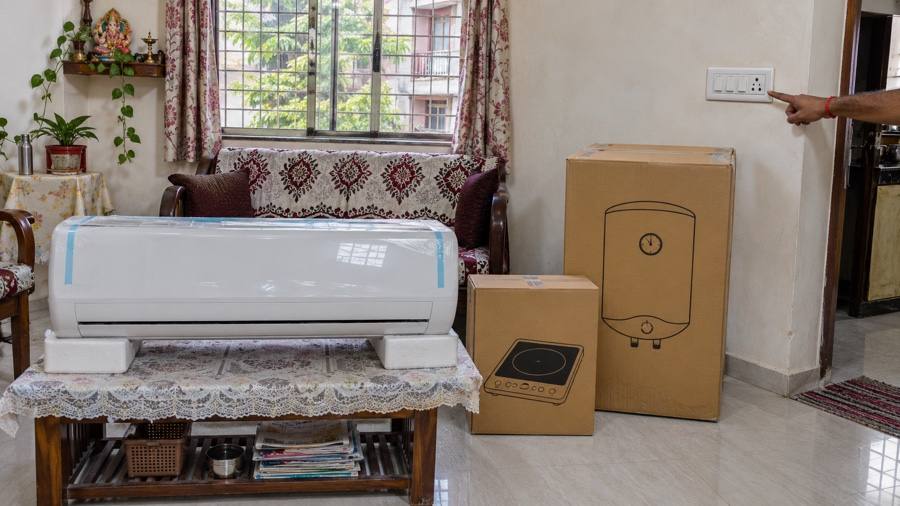
Read guideEvery new AC, geyser or induction cooker adds to your connected load. Check the board, main cable and earthing, and confirm load rules with your KSEB office.
Read guideA short dip when a motor or AC starts is common. If lights stay dim or flicker every time, check for low voltage, a loose neutral or overloaded wiring.
Read guideWarmth usually means a loose contact, a worn socket, thin wire or too much load on one point. Stop using that socket and get it checked before it burns.
Read guideSee that solar cables are clipped and in conduit, earthing is intact and the inverter area stays dry. Panel and inverter faults go to your solar vendor.
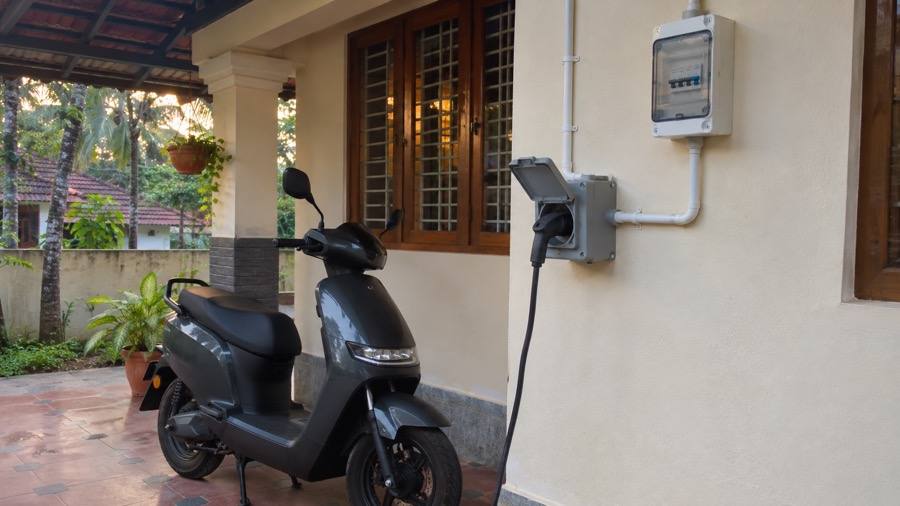
Read guideA home EV charger needs its own circuit from the board, the right wire size, a suitable MCB and RCD, good earthing and a sheltered spot in the car porch.
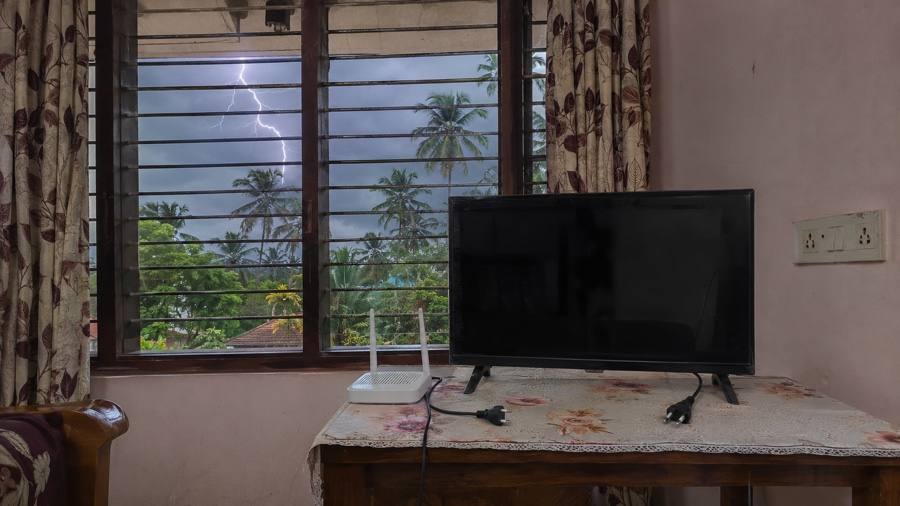
Read guideUnplug TVs, routers and computers when a storm comes close, get the earthing tested, and ask about a surge protection device at the main board.
Read guideGrease, dust, dry bearings, a weak capacitor or a damp connection are the usual causes. Clean it with power off. Replace it if the motor hums or noise stays.
Read guideClean the overhead tank and sump at least once a year, better twice, before and after the monsoon. Silt, a smell, slime or worms mean it is overdue.
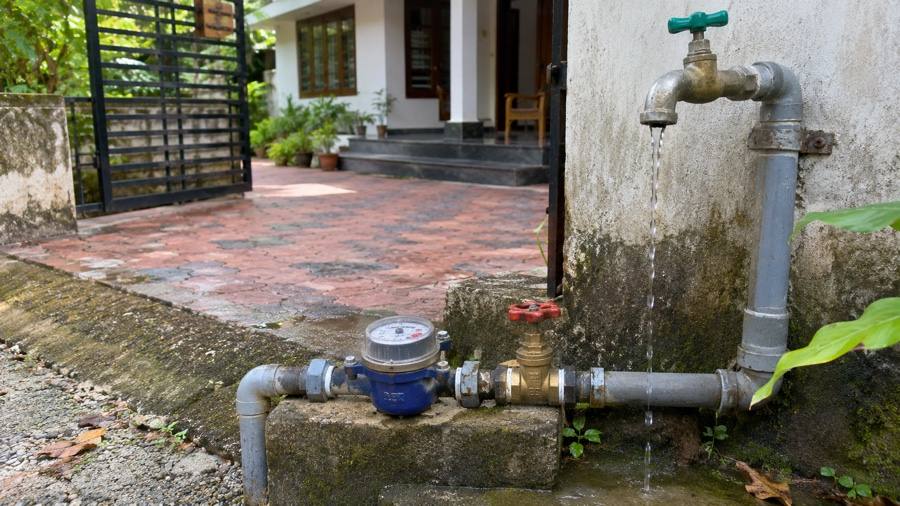
Read guideCheck your own line for leaks first. Most homes then let KWA water fill a sump and pump it up. Pumping straight off the mains is generally not allowed.
Read guideYellow or reddish well water is usually iron, common in laterite areas. A rotten-egg smell has other causes. Get a lab test before buying a filter.
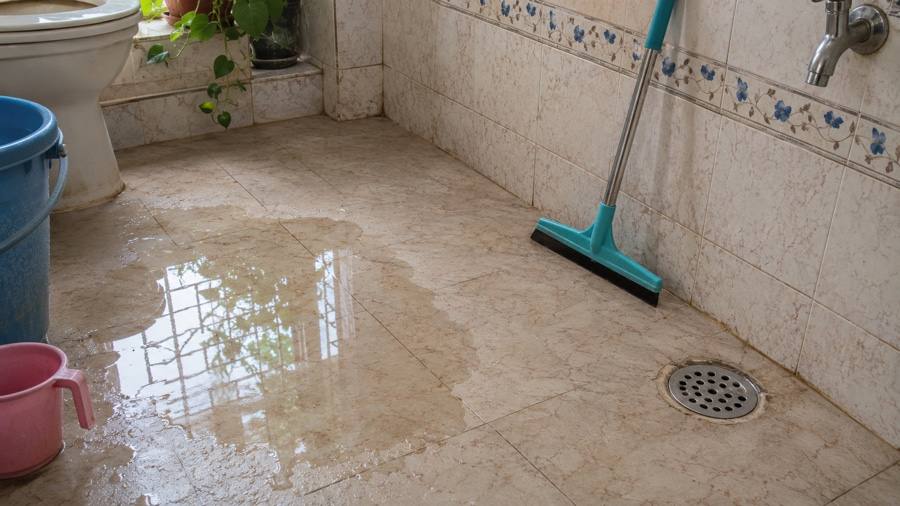
Read guideWater pooling away from the drain means a slope problem. Water sitting around the grating means a blocked trap. Clean the trap first. Slope needs tile work.
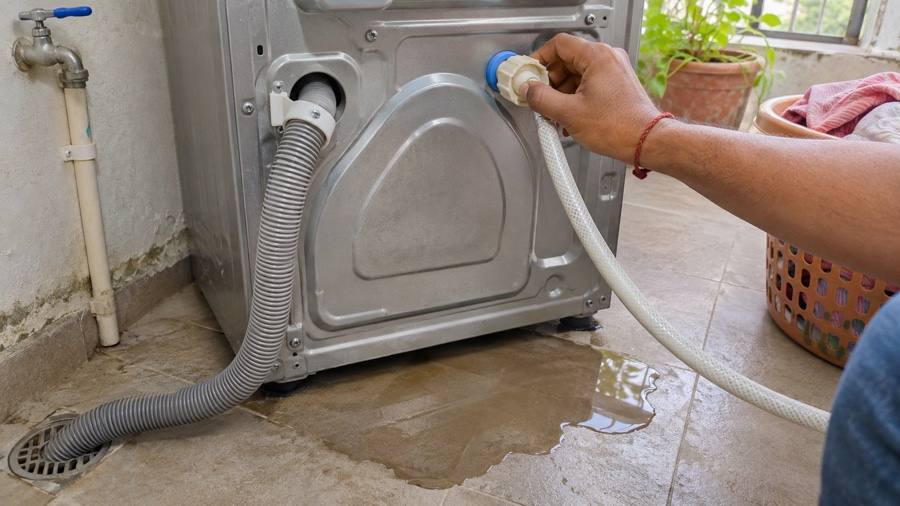
Read guideMost leaks are a worn rubber washer where the inlet hose meets the tap, a cracked hose, or a drain pipe that is loose, split or not fixed properly.
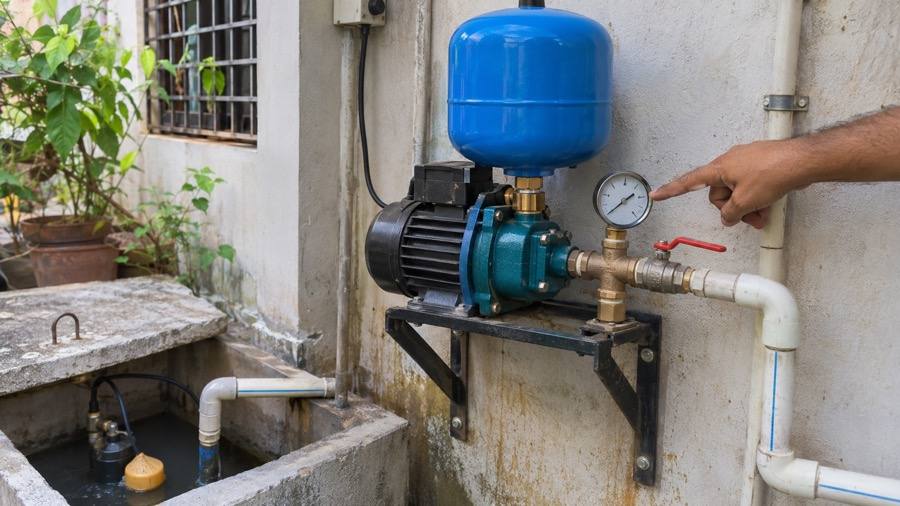
Read guideA pump that keeps starting with all taps shut is usually losing pressure through a small leak, a passing non-return valve, or a tank that has lost its air.
Read guideSend terrace water through a first-flush pipe and a sand and gravel filter into the well or a sump. Keep the terrace clean and never let drain water in.
Read guideCloudy days, an air lock, cold water mixing at a worn mixer, or a low overhead tank are the usual causes. Most are plumbing fixes, not a panel fault.
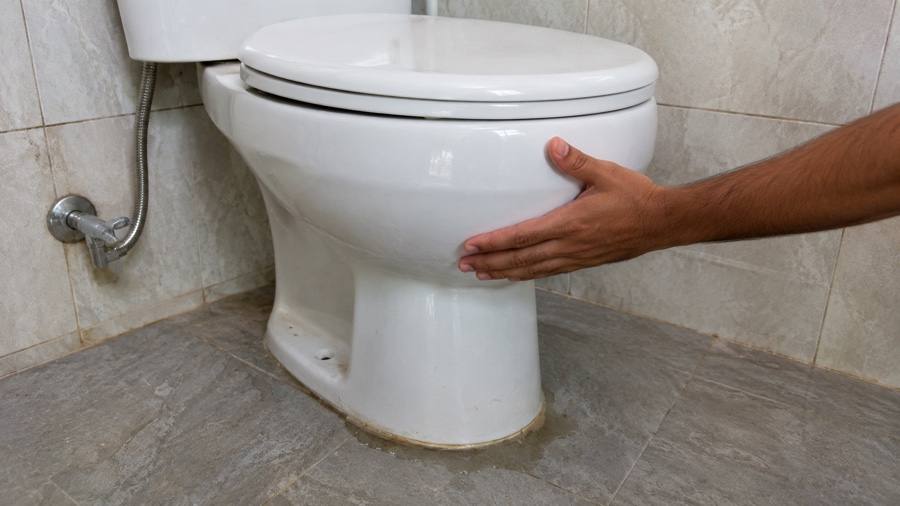
Read guideA rocking toilet often has loose screws, cracked grout or an uneven floor. Water at the base may be the outlet seal, tank or condensation. Find which first.
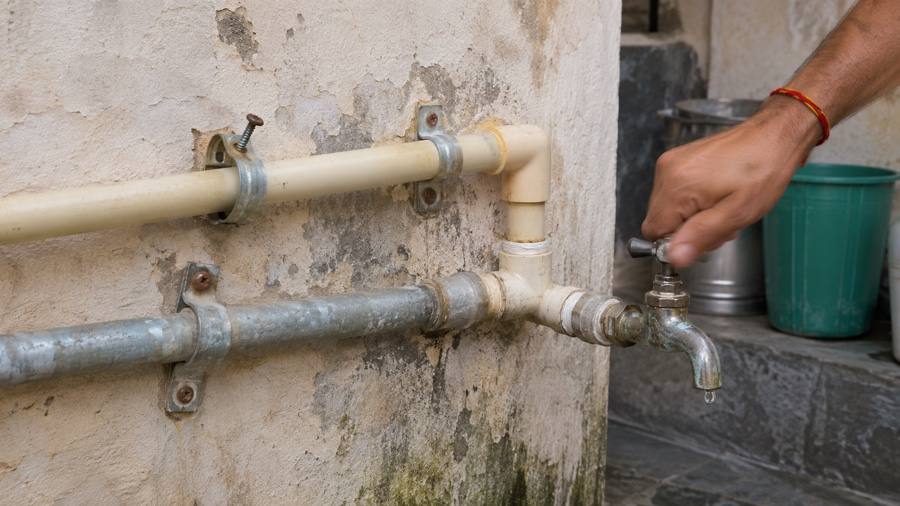
Read guideThat bang is water hammer. Fast water stops suddenly at a quick-closing tap or when the pump stops. Loose clamps and a worn non-return valve add to it.
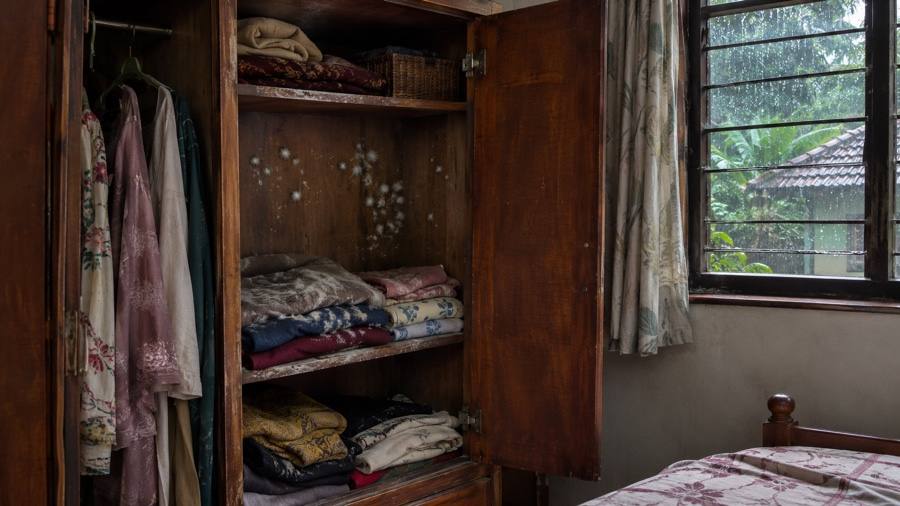
Read guideWardrobe fungus comes from trapped humidity, a damp wall behind or clothes put away wet. Dry and clean it, fix the wall damp and give the wardrobe some air.
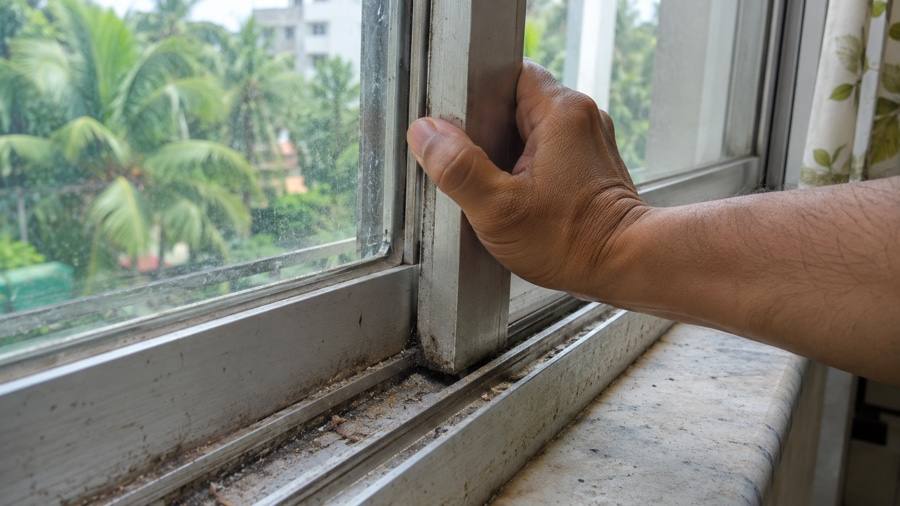
Read guideMost stiff sliders have grit in the track, worn or broken rollers, or a shutter that has swelled or dropped. Clean the track first, then check the rollers.
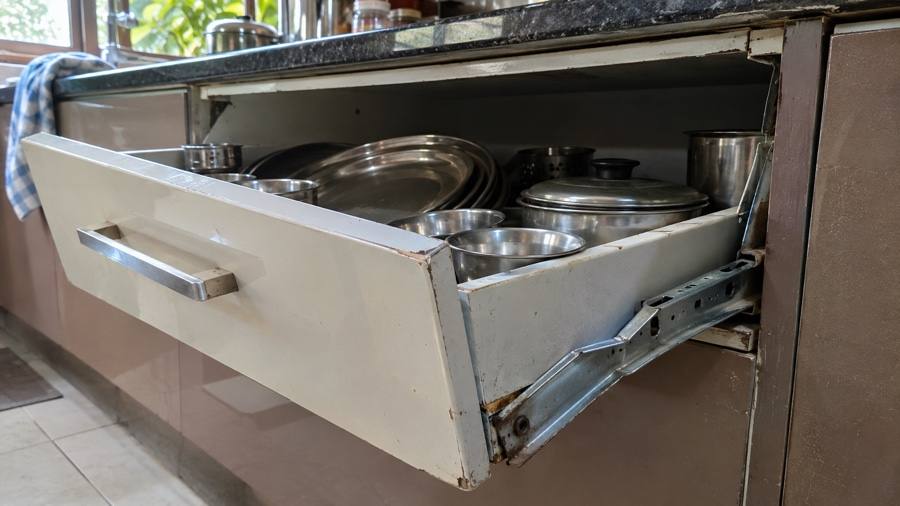
Read guideA drooping drawer usually has a worn ball-bearing channel, screws pulled out of soft board, or too much weight. Most are fixed without a new cabinet.
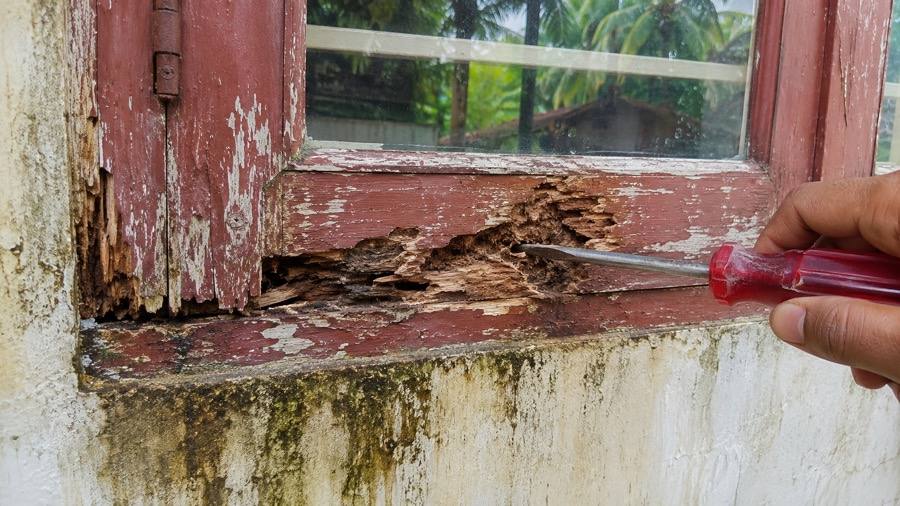
Read guideRot at the bottom of a window frame comes from rain sitting on the sill. Shallow soft spots can be patched. Deep rot needs a new piece of wood spliced in.
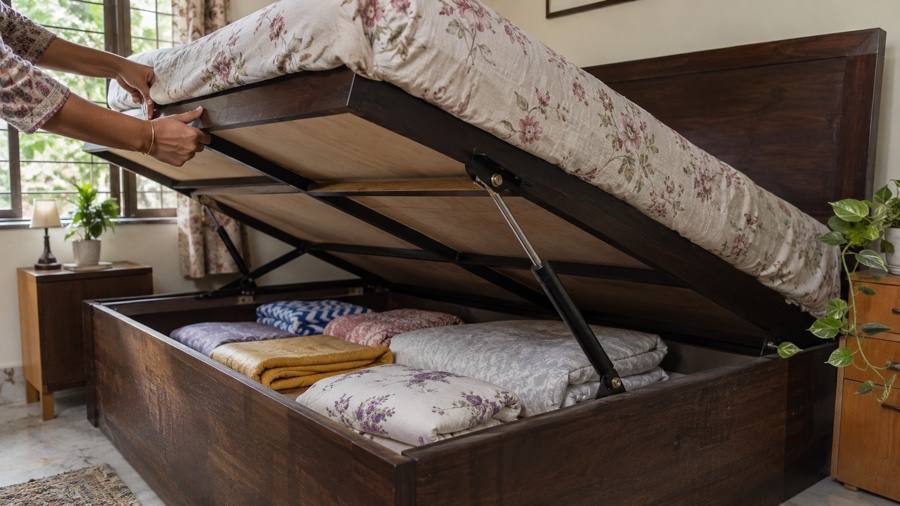
Read guideA hydraulic bed that will not lift or drops suddenly usually has worn gas lifts, loose mounting bolts or a mattress heavier than the lifts were chosen for.
Read guideMost teak and rosewood furniture needs a light wax or touch-up every year or two, and a full repolish only when the finish wears through. Dry months are best.
Read guideKeep the person talking, have them try the bolt again, use the emergency slot on a knob lock, and call 112 at once if they do not answer or may be hurt.
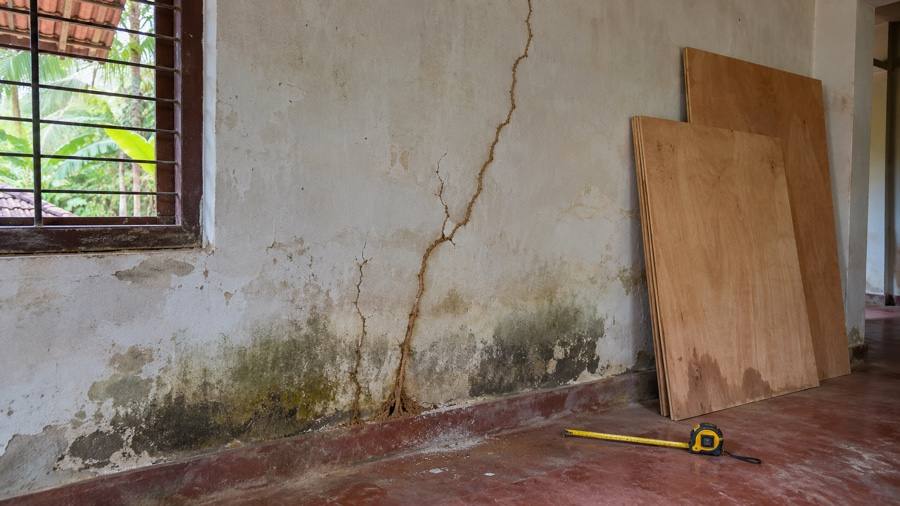
Read guideBefore fixing new wardrobes or a kitchen to old walls, check for damp, leaking pipes and termite signs. New woodwork on a wet or infested wall will not last.
Read guidePolish suits good, even teak you want to show that stays out of heavy rain. Enamel paint suits exposed windows, mixed timber and old frames full of filler.
Read guideMeasure the wall area, subtract doors and windows, multiply by the number of coats, then divide by the coverage printed on the can. Add a little for wastage.
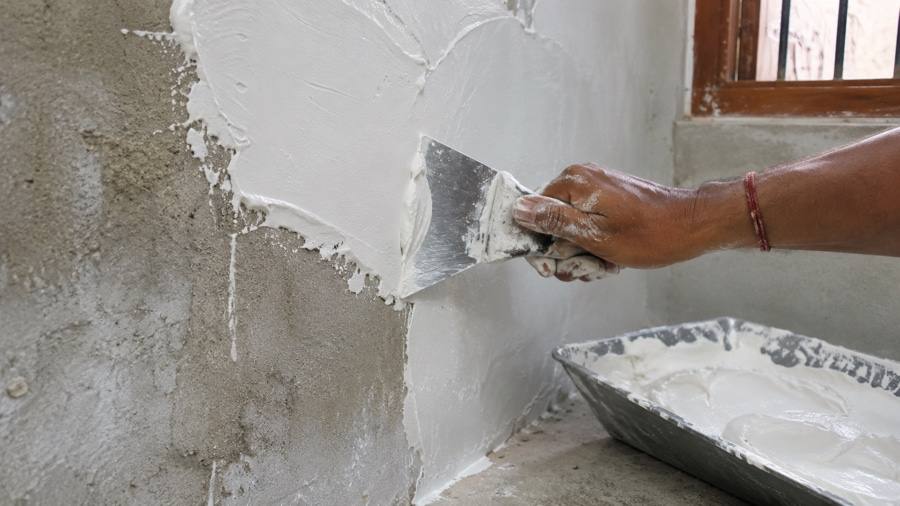
Read guideGive new cement plaster around four weeks to cure and dry before primer, longer in monsoon. Check the paint maker's instructions and test the wall for damp.
Read guideNot always. Putty gives a smooth finish and hides small dents, but it is not waterproofing. On damp walls and most exteriors it can do more harm than good.
Read guideFix leaks, damp, electrical and plumbing faults first, then repaint with a washable interior finish in one common shade. Plan it before the old tenant leaves.
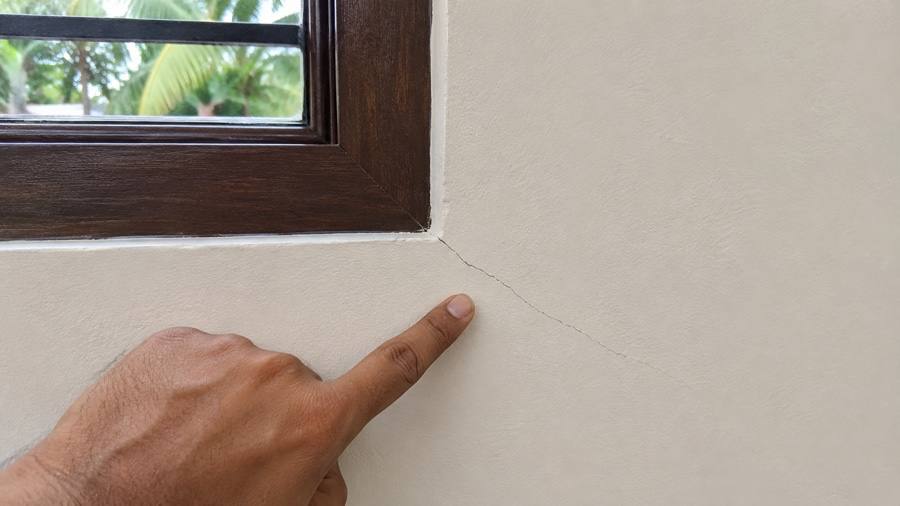
Read guideFine plaster cracks in the first year or two are usually from shrinkage. Wide, growing, diagonal or stepped cracks need a structural engineer to look at them.
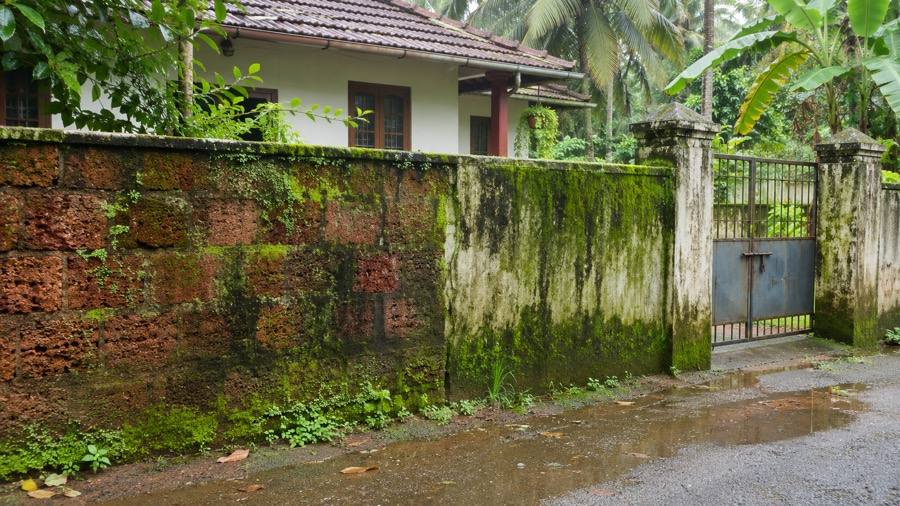
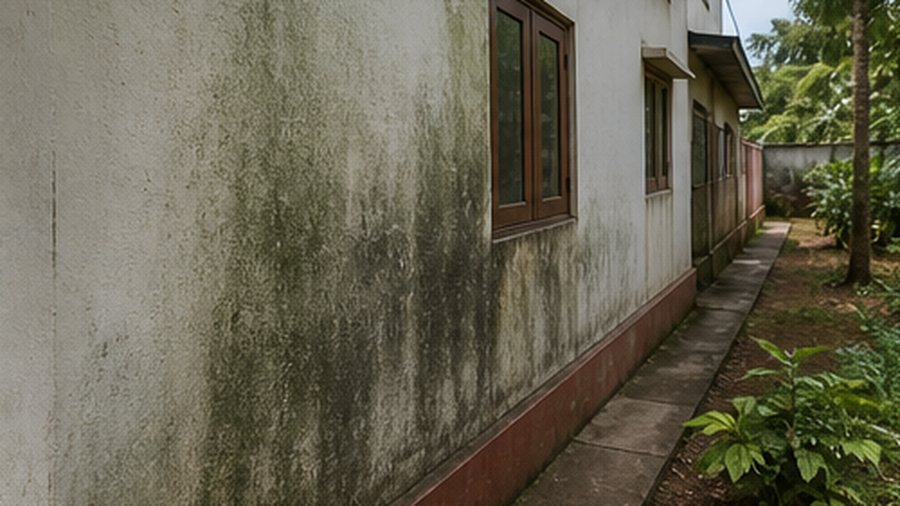
Read guideAlgae grows on walls that stay wet and shaded. Scrub it off, treat it, fix the water splash and run-off, then repaint with an exterior coat that resists it.
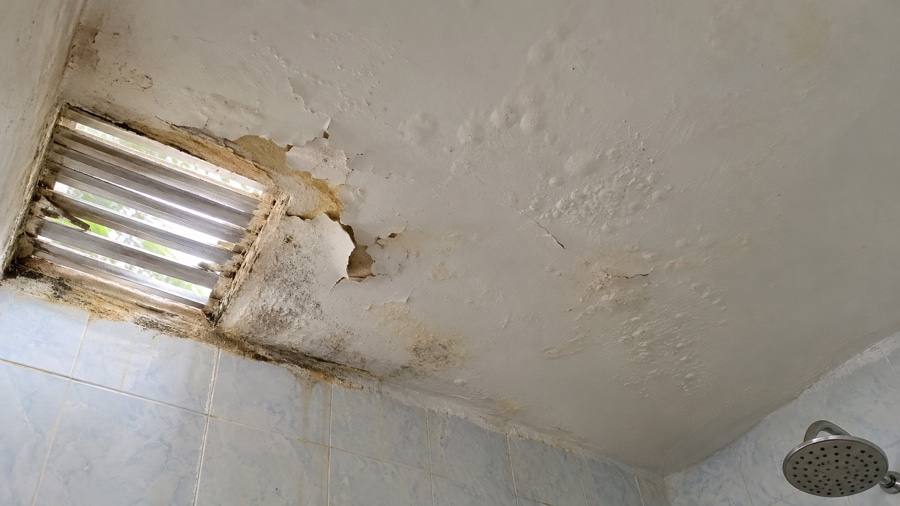
Read guideBathroom ceiling paint usually bubbles from trapped steam with poor ventilation, or from a leak in the bathroom or terrace above. Find which one first.
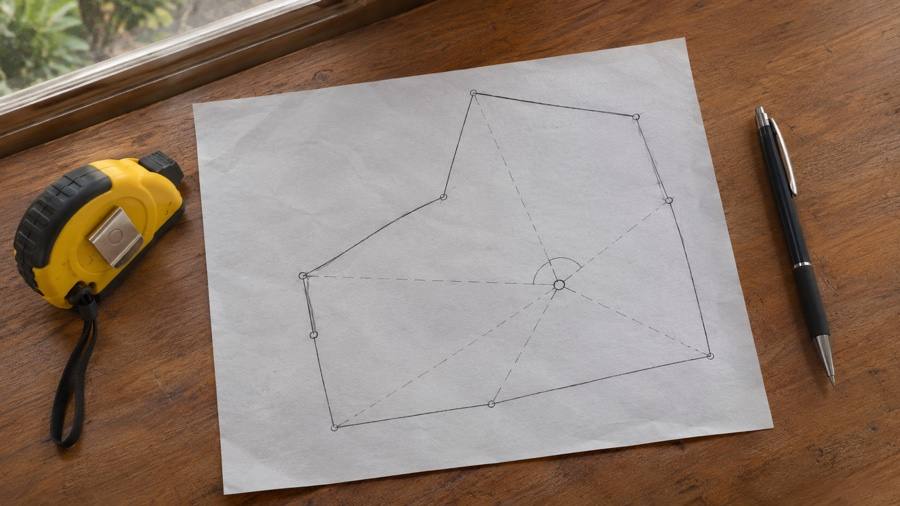
Read guideAn FMB sketch is the survey record drawing of a survey number, showing its shape and measurements. Ask the village or survey office for a copy.
Read guideOld survey numbers come from earlier surveys and resurvey numbers from later ones, so a mismatch is common. Ask the village office which number applies now.
Read guideBefore arguing over a boundary, get the plot measured against both sets of documents and the survey sketch. Many disagreements settle once both sides see it.
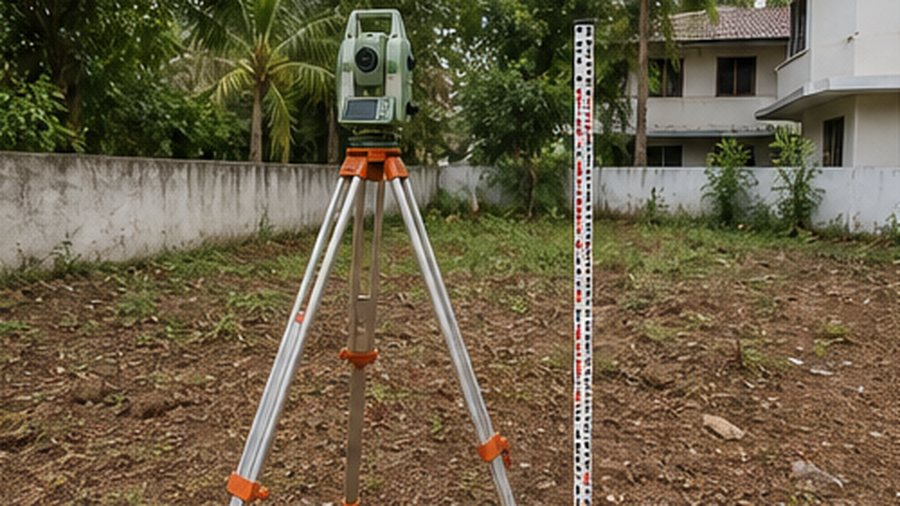
Read guideBefore the compound wall foundation goes in, get the plot measured and the corners marked. A wall a foot off the line is costly to fix and starts disputes.
Read guideMeasure the plot first so the architect works from real side lengths, frontage and levels. Setbacks are counted from the actual boundary, not the deed area.
Read guideA small, clear plot with papers ready and neighbours present can often be done in one visit. Big, sloping or overgrown land, unclear records and rain slow it.
Read guideAsk for a fixed price in writing, what material is included, who will actually come, what happens if the problem comes back, and when payment is due.
Read guideGet the house checked every few months, ask for photos on WhatsApp, prepare before both monsoons, and leave keys with one trusted person who answers calls.
Read guideSwitch off the mains or unused MCBs and the pump, close the water valve, empty the fridge, turn off the gas regulator, lock windows and clear terrace drains.
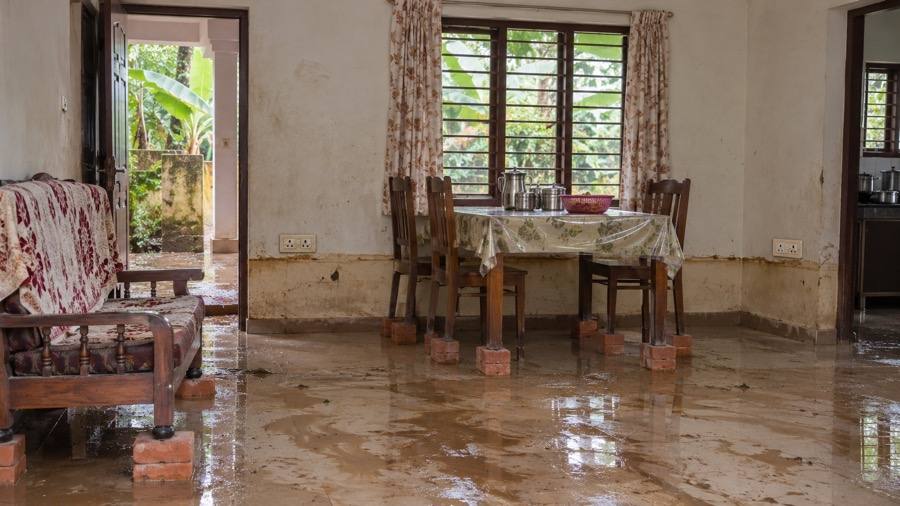
Read guideKeep the mains off until the floor and DB are dry, then have an electrician test each circuit, the sockets, the pump and the RCCB before anything goes on.
Read guideLook at the wiring age and the DB, check for leaks and damp, inspect the terrace, test doors and taps, and get the plot measured before you pay an advance.
Read guideRinse salt off metal fittings, check AC sockets and plugs, fix drips early, and run a quick room check between guests. Small regular fixes beat big repairs.
Read guideBook repairs a few weeks early, fix plumbing and electrical issues first, plan for the extra lighting load, and only paint if there is time for walls to dry.
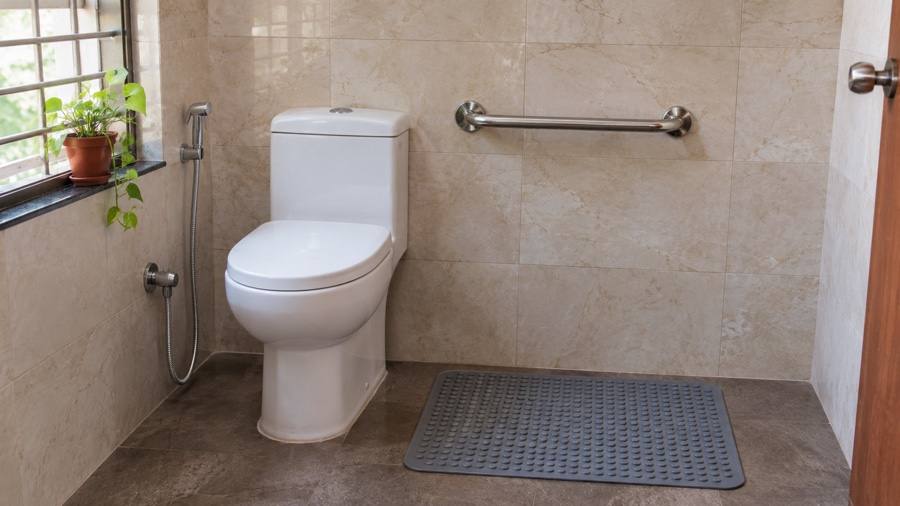
Read guideGrab bars, anti-skid floors, brighter lights, two-way switches, bathroom locks that open from outside and a geyser switch away from the shower help most.
Read guideClear the terrace drains, check roof and wall cracks, test the RCCB, look at exterior wiring and fix small leaks before the first heavy rain arrives.
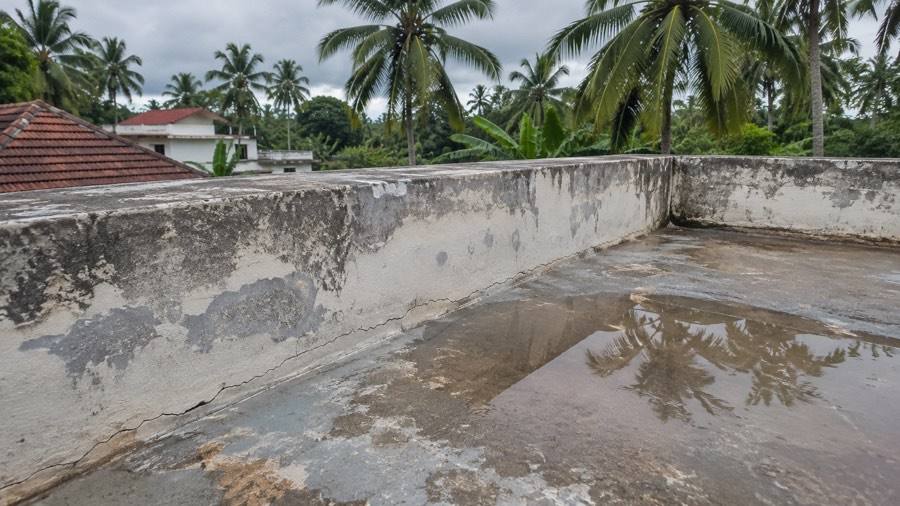
Read guideMost terrace leaks come from blocked outlets, cracks near the parapet, damaged old waterproofing or gaps around pipes. Find the path of the water before choosing a coating.
Read guideAn RCCB that trips at night is often reacting to dampness, an outdoor light, a water heater or a fridge with leakage. It is doing its job. Find the circuit, do not bypass it.
Read guideA tingle from a tap, metal door, washing machine or wet wall means current is leaking somewhere. Treat it as urgent and get the earthing and wiring tested.
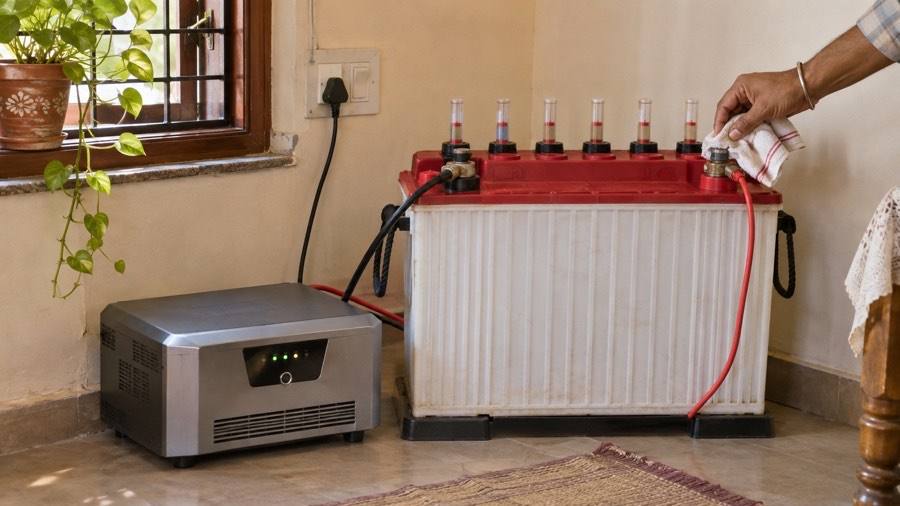
Read guideShorter inverter backup usually comes from an ageing battery, low water level in tubular batteries, extra load added to inverter points, or loose terminals.
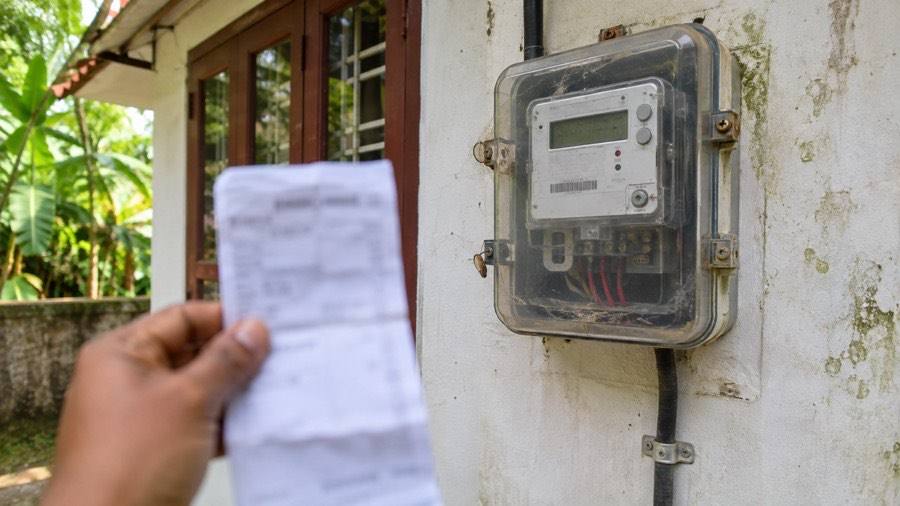
Read guideA jump in the bill can come from seasonal use, an appliance running non-stop, a pump or geyser fault, earth leakage, or a tariff slab change. Check usage before suspecting the meter.
Read guideAn AC should have its own correctly sized wire, its own MCB and good earthing. Plugging it into an old socket circuit is a common cause of tripping and burnt sockets.
Read guideIf the pump runs but the tank does not fill, it is usually an air lock, a failed foot valve, low water in the well or sump, a leak in the suction line or a clogged impeller.
Read guideDaily overflow wastes water and electricity. It usually means nobody is stopping the pump on time, the automatic controller has failed, or a float valve on the inlet is not shutting.
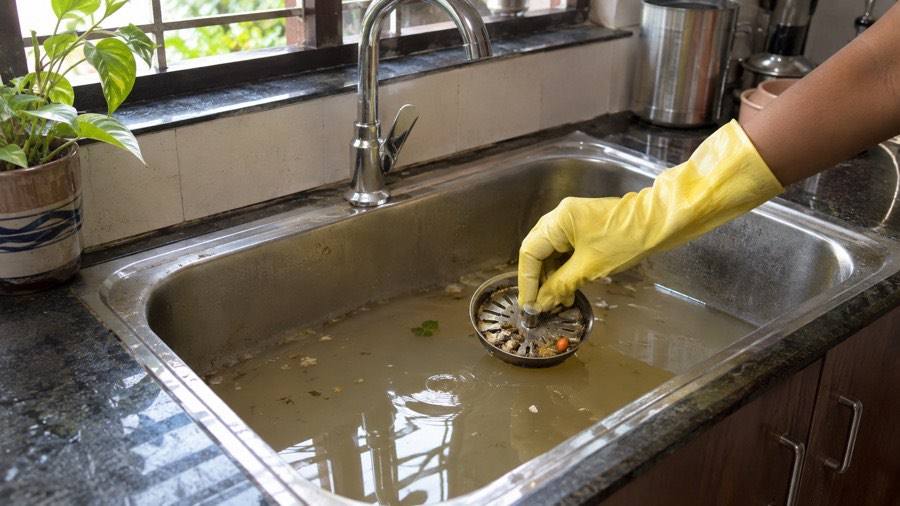
Read guideKitchen blocks are mostly grease, rice, tea leaves and food bits building up in the trap or the line outside. Start with the trap. Avoid harsh chemicals in old pipes.
Read guideA wet patch that grows on dry days, a meter that moves with all taps off, tiles that sound hollow or a motor that runs more often can all point to a concealed leak.
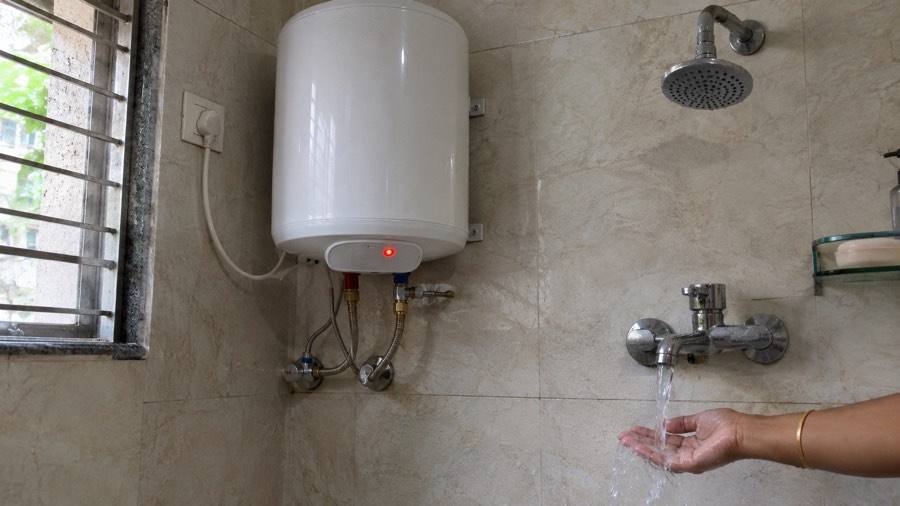
Read guideIf the geyser indicator is on but water stays cold, the element, thermostat or a tripped safety cut-out is the usual cause. If it trips the MCB, stop using it.
Read guideWhite crust on taps, glass and tiles, and showers losing flow, are signs of hard water. Cleaning helps, but borewell water often needs a filter or softener too.
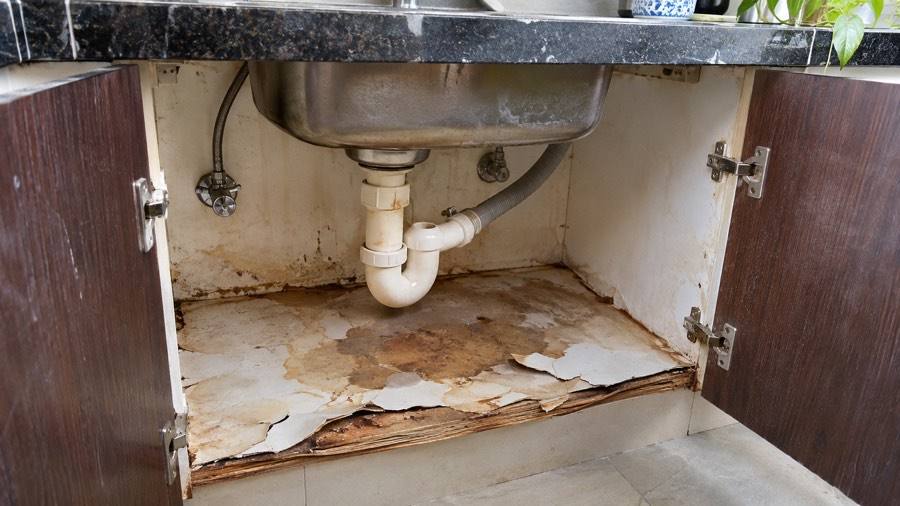
Read guideSwollen board under the sink is almost always from a slow leak or splash water. Fix the leak first, then replace the damaged panel with a moisture-resistant board.
Read guideA stiff lock is often the door dropping out of line, not the lock itself. Check the gap and the latch before replacing the lock.
Read guideA creaking cot usually has loose bolts, worn joints or a sagging support rail. Tightening and reinforcing is often enough.
Read guideFor exterior painting, December to May is the most reliable window in Trivandrum. Interiors can be done most of the year if the walls are dry.
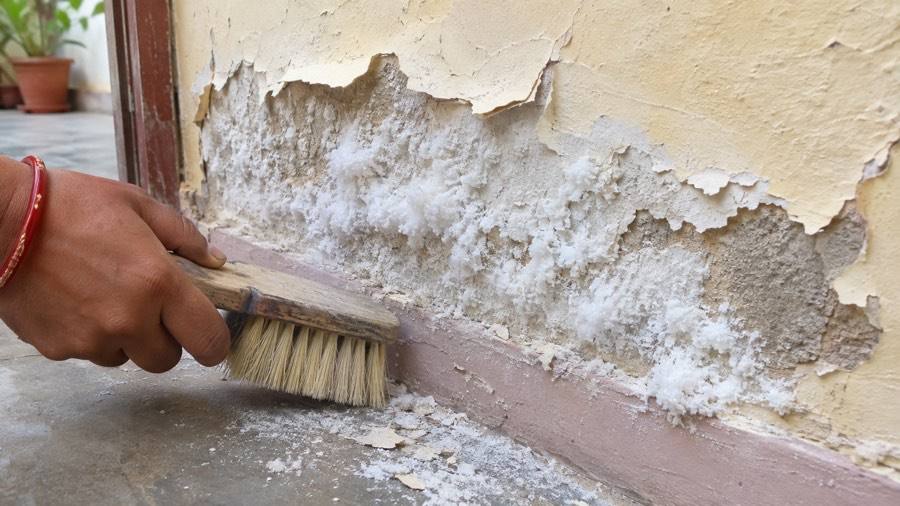
Read guideThat white powder is efflorescence. Salts are carried out by moisture in the wall. Brushing it off is easy. Stopping it means stopping the moisture.
Read guideSalt air, strong sun and heavy rain wear coastal paint quickly. Good prep, metal protection and a coating system meant for exposure matter more than the shade card.
Read guideKeep the title deed, latest land tax receipt, survey or resurvey number, any old sketch and neighbour details ready. It saves time and reduces confusion on site.
Read guideBefore a partition deed, measure the full plot, agree on access and frontage, and mark each share on the ground. Clear measurement prevents arguments later.
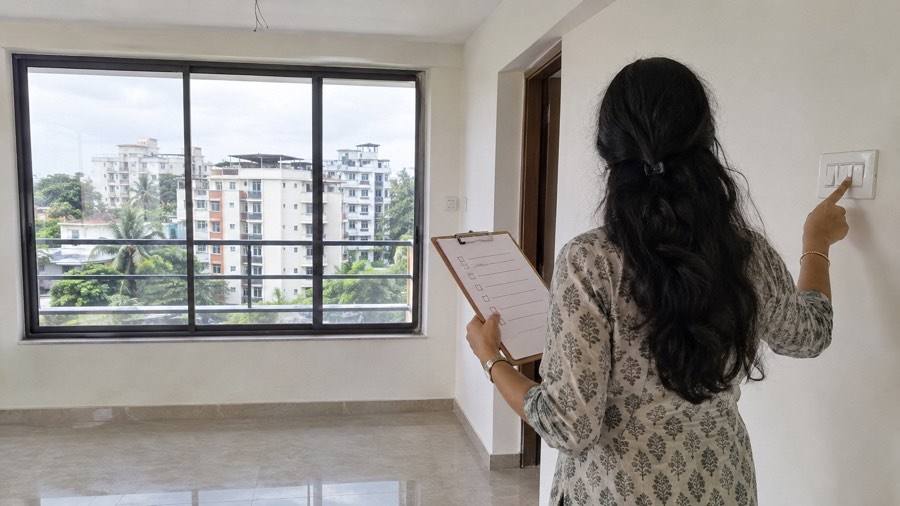
Read guideBefore taking handover of a new flat, test every switch and socket, run every tap and drain, check doors and windows, and look at walls, tiles and balcony slopes.
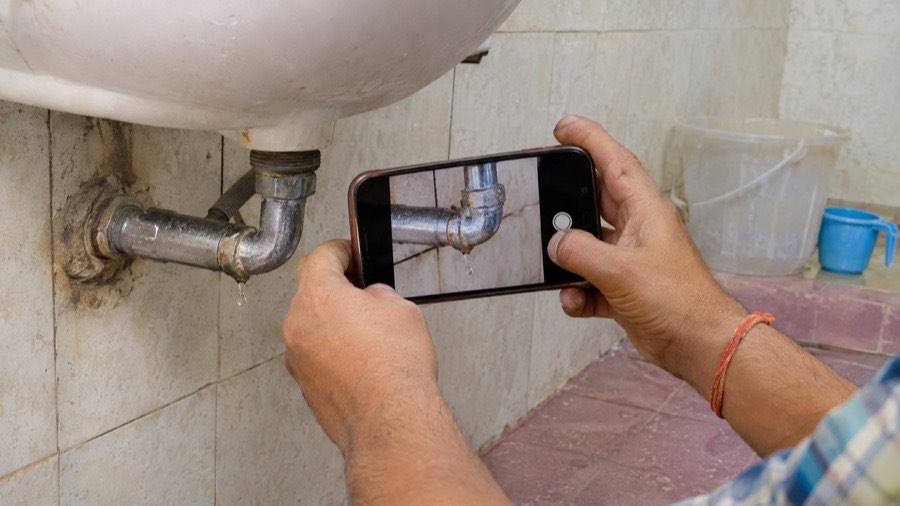
Read guideA short video, a wide photo, a close-up, your area and when the problem started are usually enough for a technician to judge the job and quote it.
Read guideStart with structure and leaks, then wiring and plumbing, then carpentry, and paint last. Doing it in the wrong order means breaking finished work.
Read guideIf the MCB or fuse board switch keeps falling, do not force it. It usually means overload, leakage, a short circuit or a faulty appliance.
Read guideA single-room power cut often points to a tripped circuit, loose connection, damaged switchboard, faulty socket or wiring issue.
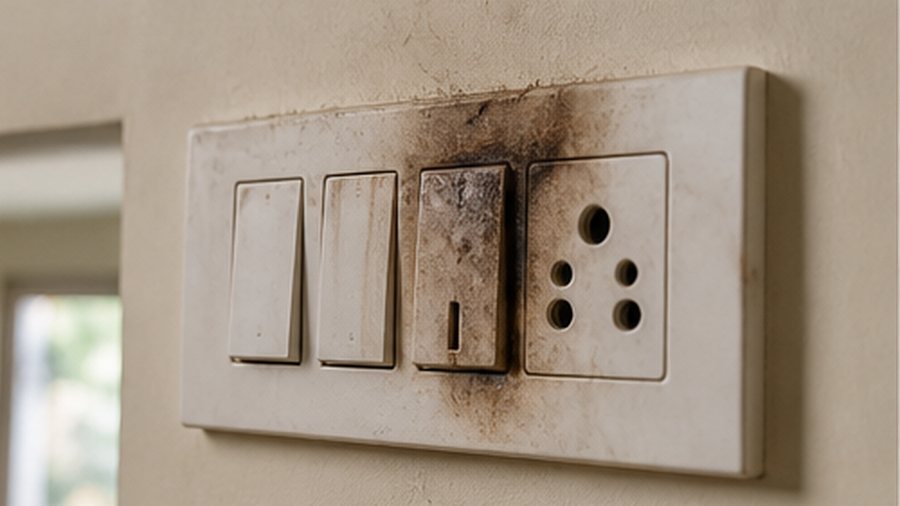
Read guideA burnt smell from a switchboard is a warning sign. Turn off the circuit and get it inspected before using it again.
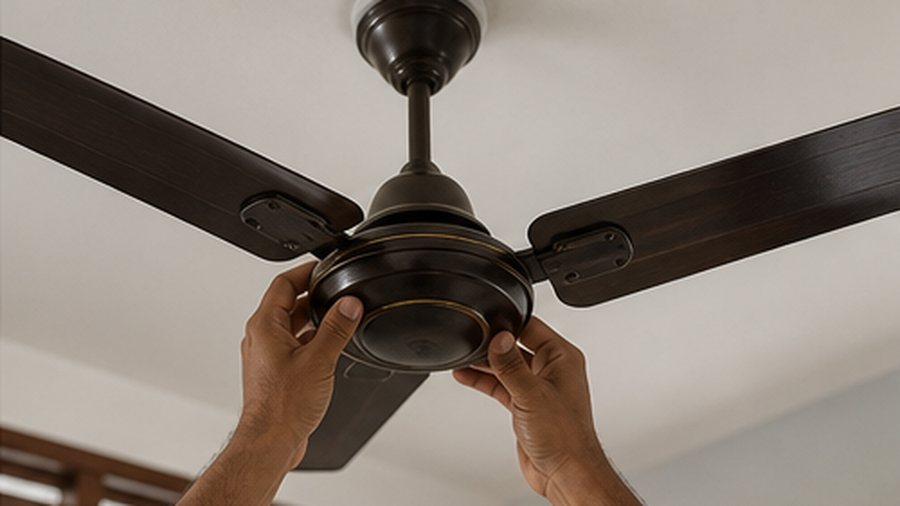
Read guideA slow ceiling fan can be caused by a weak capacitor, old regulator, dust, low voltage or motor wear.
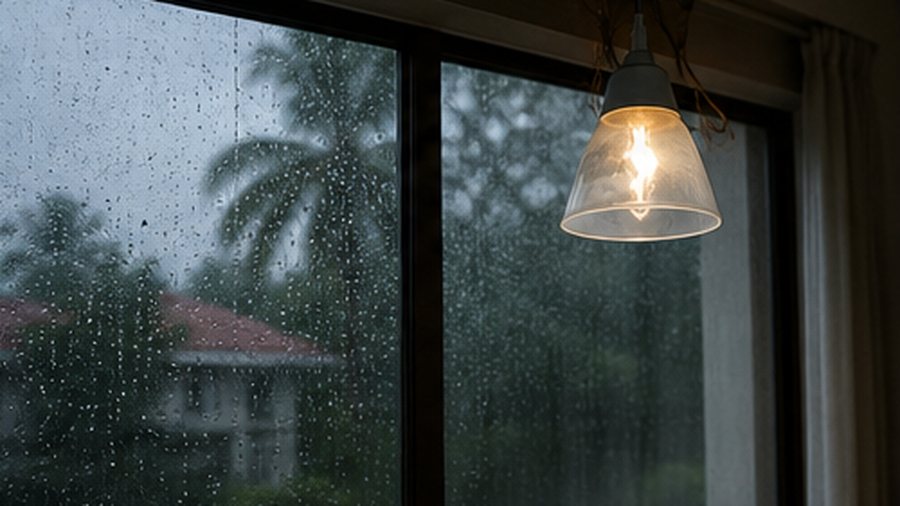
Read guideRain-time flickering may mean moisture entry, loose neutral, voltage fluctuation or damaged outdoor wiring.
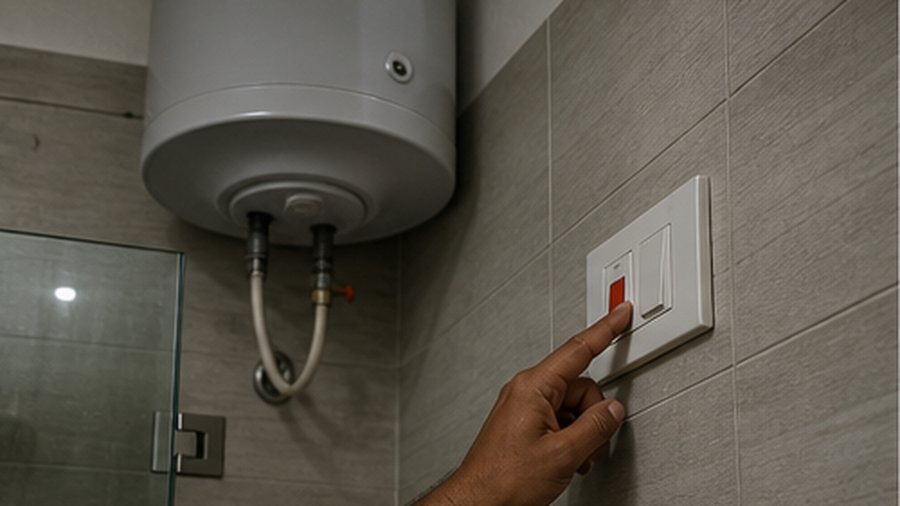
Read guideA geyser that trips the MCB may have element leakage, earthing fault, wet wiring or overload. It needs careful testing.
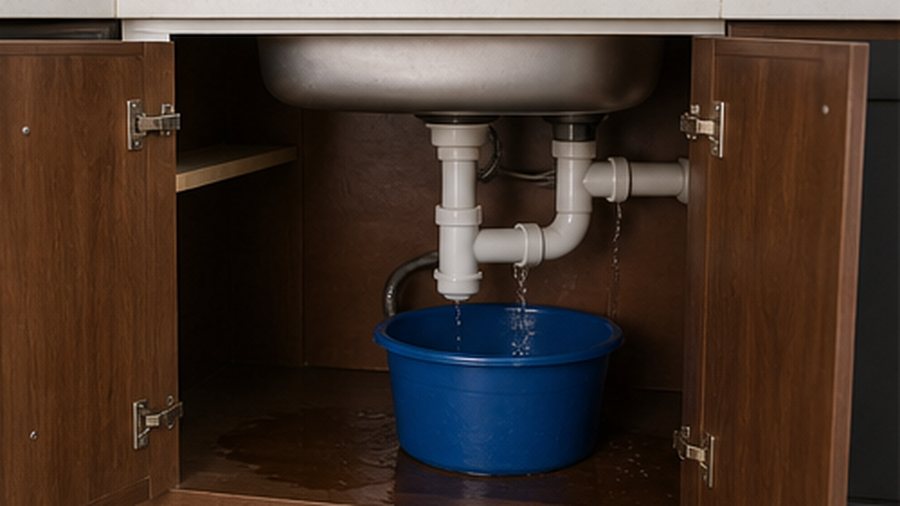
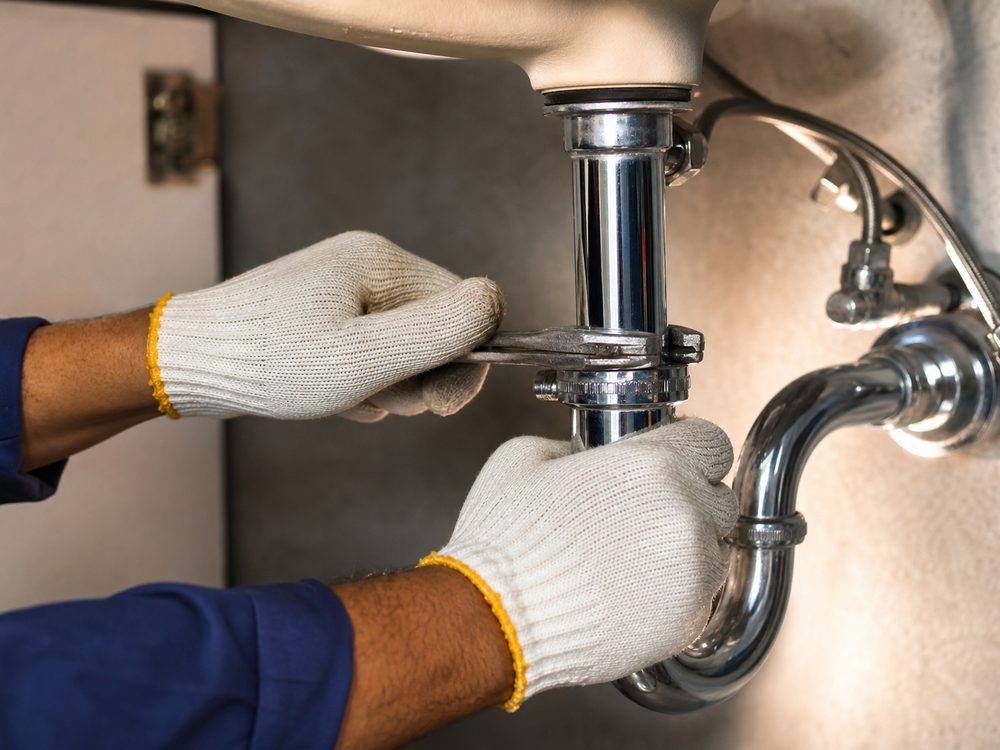
Read guideMost sink leaks come from loose waste pipes, tap connectors, bottle traps or old sealant. You can reduce damage before a plumber arrives.
Read guideLow pressure can come from blocked aerators, air locks, valve issues, tank height, old pipes or a partially closed line.
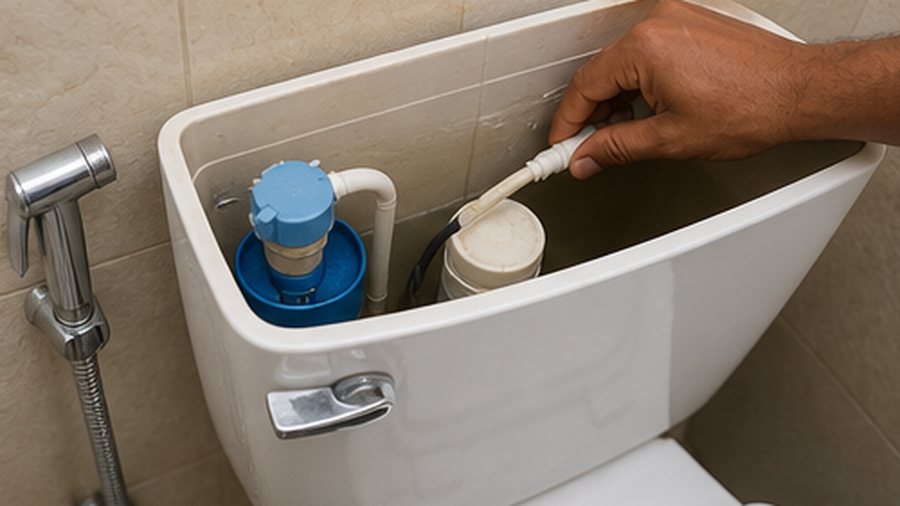
Read guideA flush tank may fill slowly because of a stuck inlet valve, blocked filter, weak supply, float issue or closed angle valve.
Read guideDrain smell may come from dry traps, blocked floor drains, poor venting, sludge or leakage around waste lines.
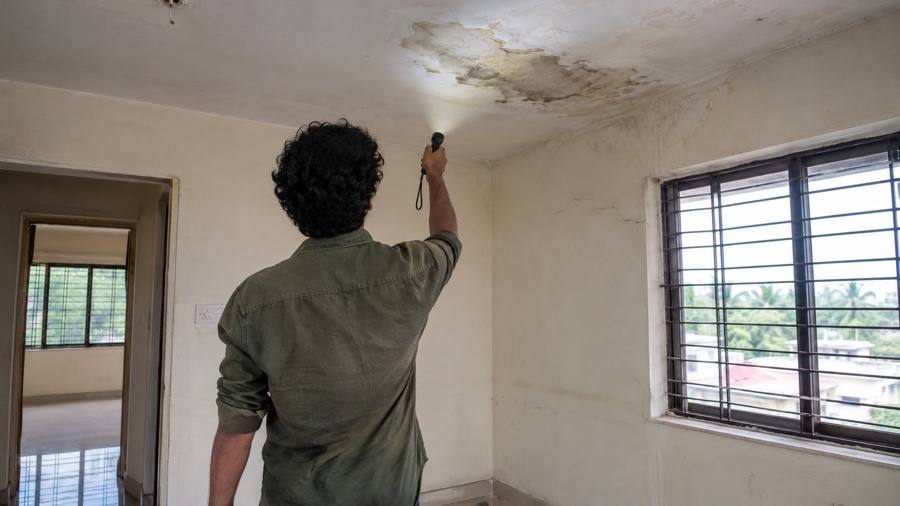
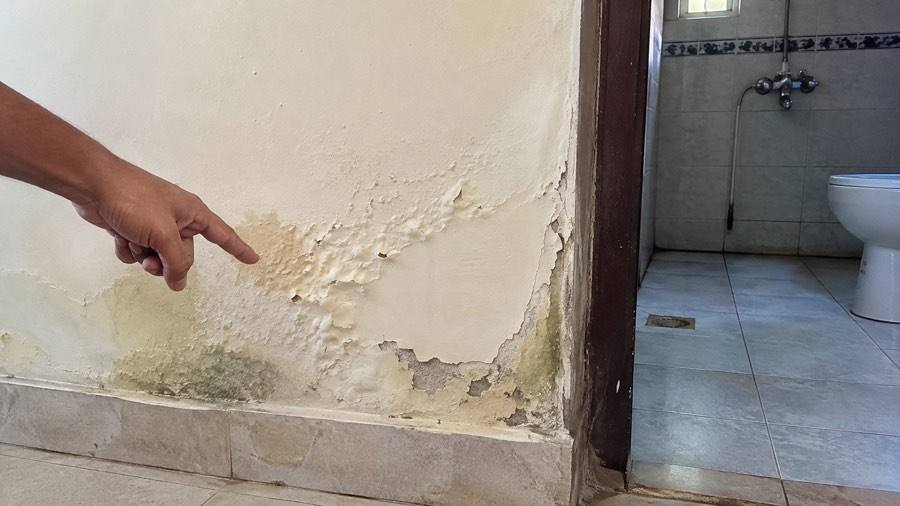
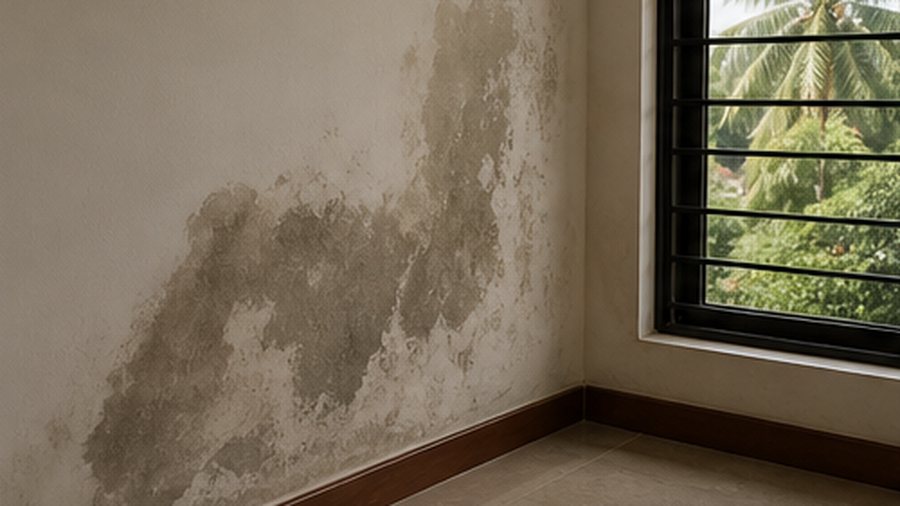
Read guideA damp wall after rain can be exterior seepage, terrace leakage, plumbing leakage or poor waterproofing.
Read guideA dripping tap is usually a worn washer, cartridge, spindle or valve seat. Fixing it early saves water and staining.
Read guideDoors often swell in Trivandrum monsoon. The fix may be drying, hinge adjustment, planing or sealing exposed timber.
Read guideLoose wardrobe hinges usually mean worn screw holes, weak board, misalignment or overloaded doors.
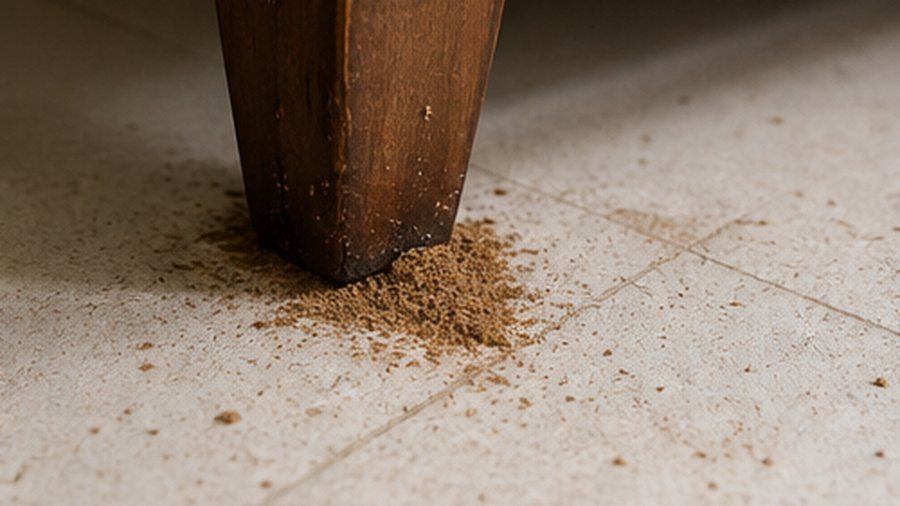
Read guideWood powder, mud tubes or hollow sound can mean termite or borer damage. Early action can save the furniture.
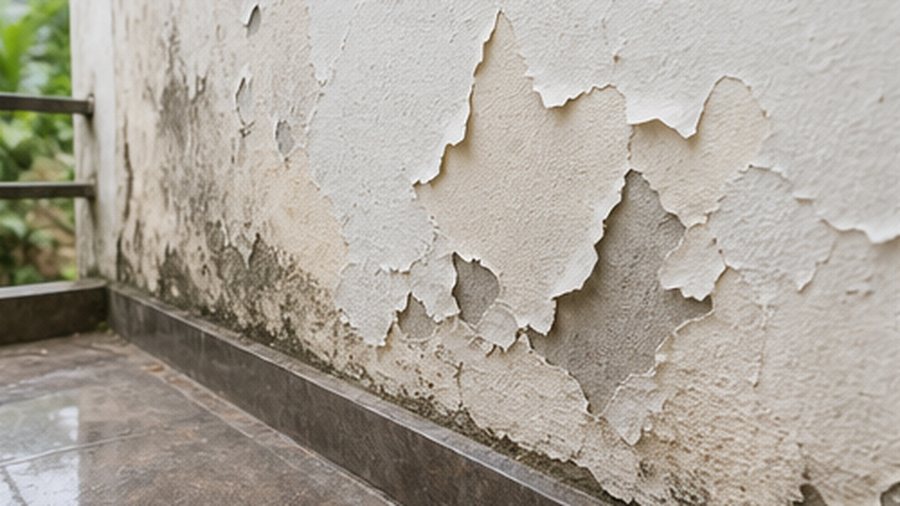
Read guidePeeling paint after rain usually means damp, poor surface prep, salt deposits or waterproofing failure.
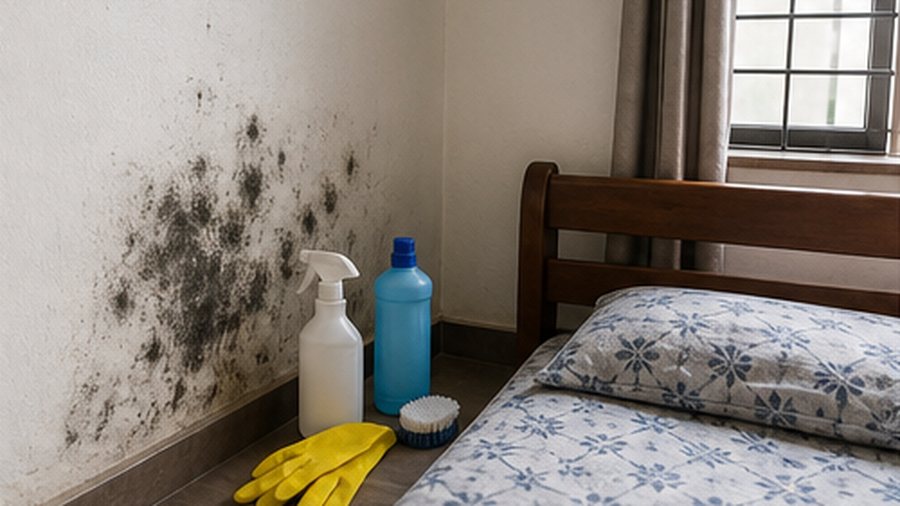
Read guideMould needs cleaning, drying and ventilation. If it comes back, the wall may have seepage or condensation problems.
Read guideFast fading can come from sun exposure, low-quality paint, poor primer, coastal air, algae or water seepage.
Read guideA missing boundary stone should be handled with documents and measurement, not guesswork.
Read guideA pre-purchase survey helps confirm boundary, access, approximate area and mismatch with documents.
Read guideBefore renting, fix electrical safety, leaks, doors, paint touch-ups and drainage so tenants do not call every week.
Read guideShops often need electrical, plumbing, carpentry and painting work planned around opening hours.
Read guideWater near a switch is urgent. Keep away, switch off power if safe, and get both leak and electrical safety checked.
Read guideCeiling leakage below a bathroom can come from floor trap, pipe joints, waterproofing or sanitary fittings.
Read guideA tiny spark can happen with some loads, but repeated sparks, sound, heat or black marks mean the socket needs inspection.
Read guideA pump may fail to start because of tripped protection, capacitor failure, dry run, switch fault or wiring issue.
Read guideHairline cracks, damp cracks and structural-looking cracks need different treatment before paint.
Read guideShare a photo, your area in Trivandrum and what you tried. We will guide the next step or quote the repair.

Ask Sameway